SALT MARSH HAY AND CORDUROY ROADS.

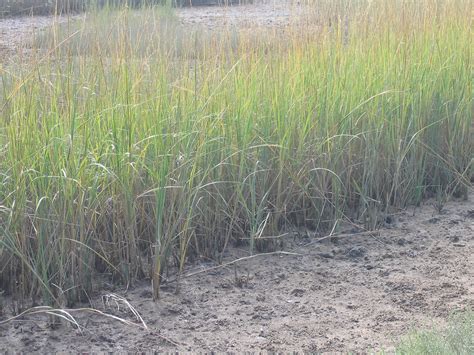
SALT MARSH GRASSES — AKA SALT MARSH HAY

Salt marsh grasses, also known as salt marsh hay, were an important commodity in the Old World. The earliest documented record of thatched roofing in the UK dates back to 700 AD, although some suggest it may have been used much earlier.

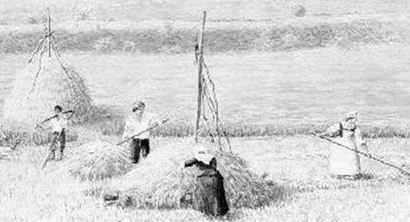
EARLY HAYING ON THE SALT MARSH

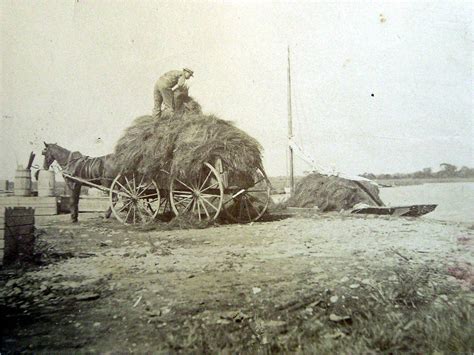
This was a family affair.
There were many other uses for marsh grass, and the New World settlers were quick to make use of the abundance that surrounded them. Another of Mother Nature’s essential resources, free for the taking.

Thatching being installed on an early cabin roof.
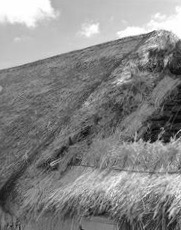
One of the settlers’ greatest needs was material for thatched roofs on their new cabins. These roofs required special layering of bundled, long grass, tied and stacked in rows to provide protection from the sun, rain, and weather.

Native Americans living near salt water and tidal rivers made use of many plants, including a wide variety of bulrushes and sweetgrass. Early settlers commonly used timothy grass and clover as hay, as these were among the most prevalent plants available for fodder.
To obtain this valuable commodity, settlers needed access to many acres of marshland—a difficult task. There must have been a great deal of trial and error in developing walkways, followed by crude roadways. This type of construction might be fine for a man, but for a beast it was questionable. Oxen and wagons were another matter entirely. A wide, stable surface was needed to support both the animals and the wagon.
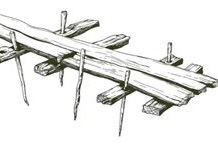
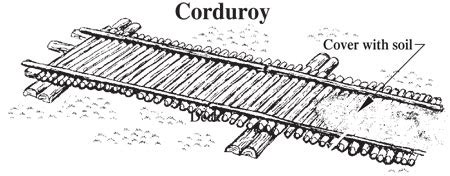
Corduroy roads are among the earliest types of manufactured roads. They were made by laying logs across swampy, unstable areas, perpendicular to the direction of travel.
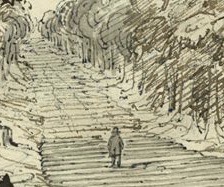
This sketch depicts a corduroy road through a swampy forest.
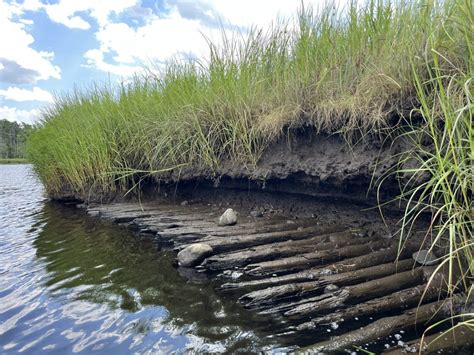
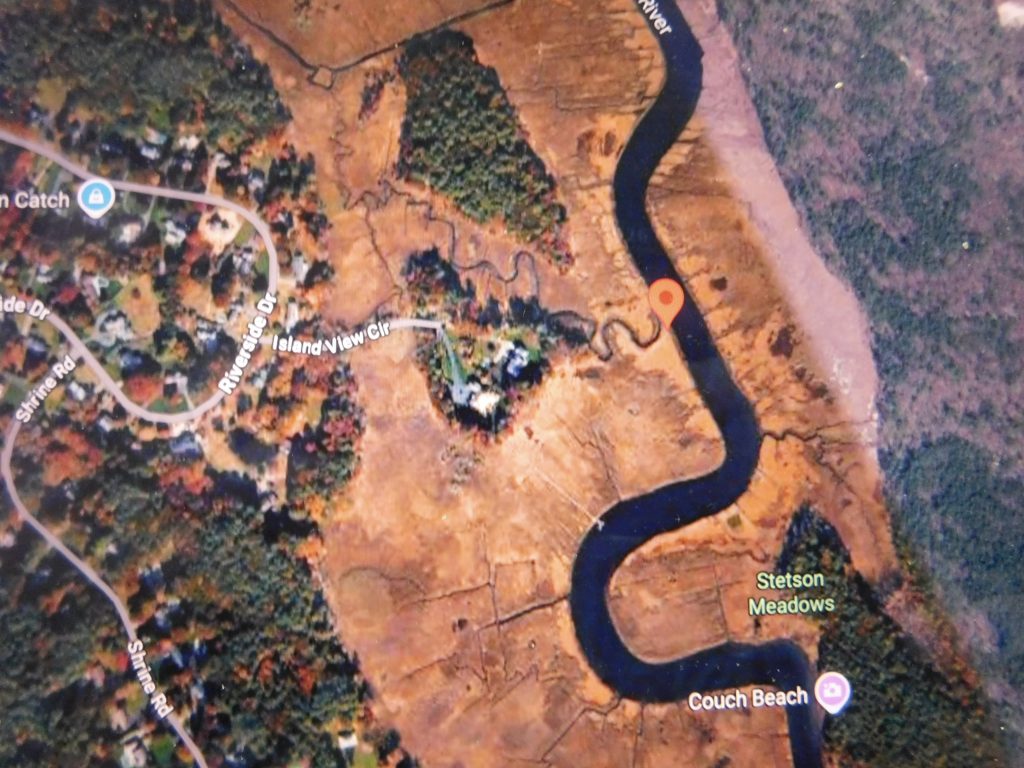
The landing visible on the North River in Norwell was the termination point, at the river’s edge, for such a road. It is not the road itself.

At this point, a barge could be secured to the landing, creating a stable loading area. This lower level also made loading easier. There would be much less lifting required to top off a full load of hay.
There was a vast amount of salt hay in this area, making travel across the marsh necessary. One major advantage was an island located between the mainland and the river. This meant that less corduroy road was needed to reach the river.

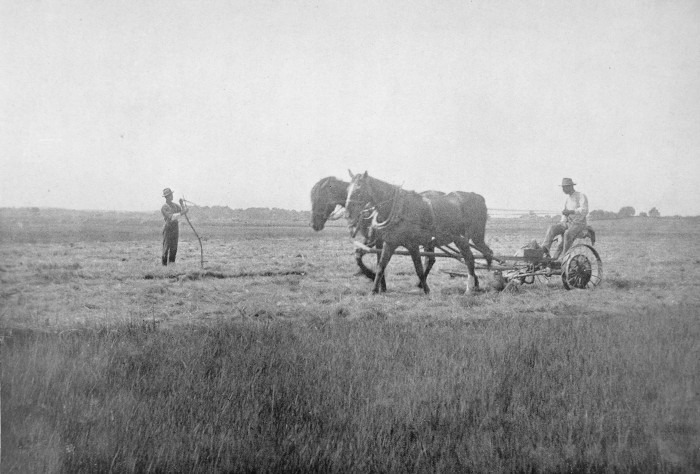
A team drawing a cutter bar, mowing the long grass.
A wagon being unloaded into a small barge.
The island may also have been an intersection for a larger network of roads. I often wonder whether this was one man’s undertaking, or whether neighboring landowners were involved as part of a business venture serving the farmers along Norwell’s River Street.

The balloon marker, center right, shows the location of the wood-pole landing on the North River in Norwell, Massachusetts.
Some grasses provided food and bedding for cattle. Other reeds could be twisted and woven to cover chair seats. Mats were woven for sleeping, providing insulation for both people and animals. Clay potters and other home industries also used salt hay for packing fragile items.
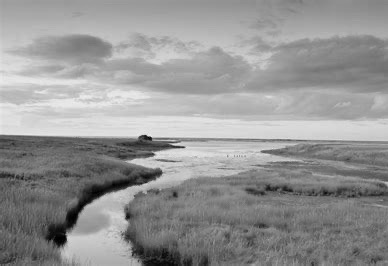
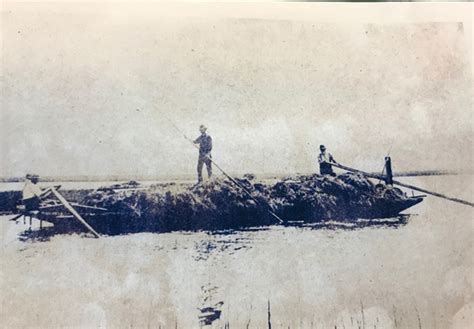
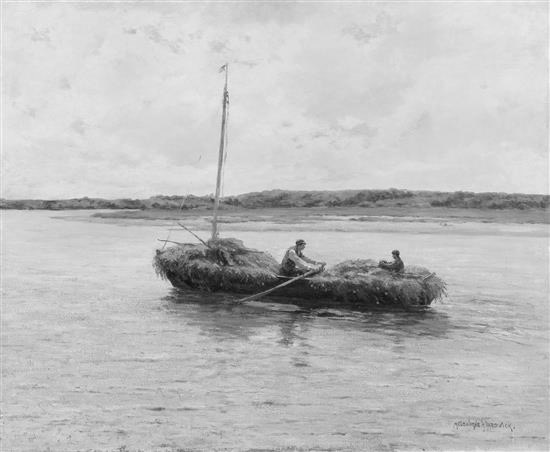
Demand for marsh hay became so great that it was cut and shipped by wagon and river barges. River barges came in many sizes, ranging from one-man boats to vessels operated by two to four rowers or polers.

Poling, rowing, and sometimes sails provided propulsion. The method used depended largely on the type of waterway.

From a one-man dory fully loaded to a barge carrying a small load.
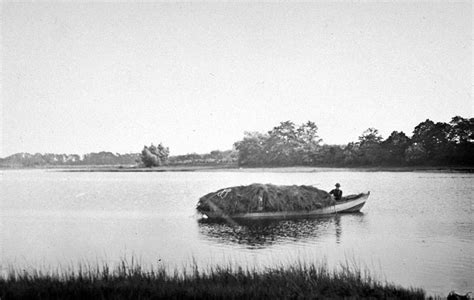
Here we are looking at transportation on the tidal North River.

River transportation was considerably less expensive than traveling overland. The river itself was free, while overland travelers might encounter tolls, as was the case here.

There has been considerable controversy over how the logs used in the riverbank structure were placed. Some believe they were driven into the ground. My sources and I believe instead that a ditch was dug, the logs were laid into it, and then covered back over. This would have been a much faster method than driving them in, which would have been extremely difficult in the early 1800s.

A great deal of calculation would have been required when determining the structure’s height in relation to the river, particularly for loading convenience.

Loading a barge also had to follow a strict timetable. An empty barge needed to be brought into place as the incoming tide permitted and secured promptly because of the rising water.

Loading could then take place from waiting wagons or from haycocks positioned nearby ahead of time. The work had to be completed quickly so the loaded barge could meet planned deliveries to customers both upriver and downriver.

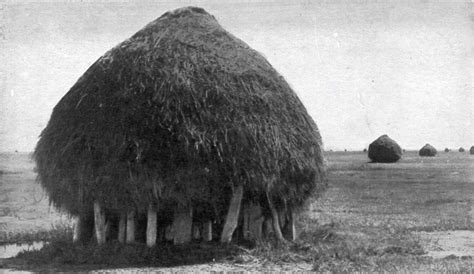
A haycock awaiting loading. The piling foundation keeps the hay dry.
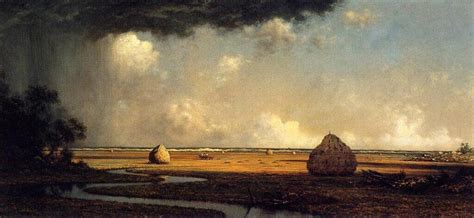
Martin Johnson Heade’s painting of haycocks on the South River.
Shipping across the river, either upstream or downstream, saved a long overland trip by oxen and wagon.

An upriver trip was generally easier. Once the barge was loaded and floating, the crew could cast off and pole with the current as far as the high tide would carry them, or until reaching their destination.

A downriver trip was a different story. The barge had to be unsecured and poled away while it was afloat, leaving only a narrow window of opportunity during the fast outgoing tide. The crew then had to reach the delivery landing while there was still sufficient water. Missing that opportunity meant waiting for deep water before trying again.

As mentioned earlier, the barges came in many shapes and sizes. Some were as long as 40 feet and carried two tons or more. They included flat-bottomed craft, shallow-hulled, double-ended dories, and small rowboats, depending on the size of the waterman’s business.

The North River was very busy. Shipbuilding continued there into the early 1870s, alongside fishing boats and transport vessels. For the early settlers, this was a heavily traveled working river.
THEN CAME DISASTER!

The Great Storm of 1898, also known as the Portland Gale, struck the New England coast on November 26 and 27. The storm caused more than 400 fatalities and sank more than 150 boats and ships. It brought hurricane-force winds and a storm surge of roughly ten feet above normal, severely affecting many coastal communities.

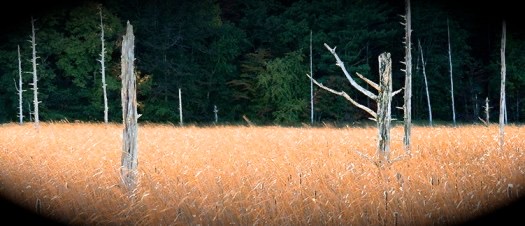
This great storm created a breakthrough of a new inlet between Third Cliff and Fourth Cliff, allowing salt water to extend farther into the upper marshes. This killed salt-sensitive vegetation, from grasses to stately white cedars, white pines, sugar maples, and many other species.

The storm devastated the salt hay business and the industries associated with it.

Corduroy roads became submerged, covered over, and eventually lost. With the decline of the salt hay business, they were no longer needed.

Many, many years after the Portland Gale, the remains of the white cedars still stand, never to recover. The tender cordgrass, along with many other plants, has been replaced by invasive cattails.

Compliments of Mike Sleeper.
The only corduroy road I remember was the road to Tilden’s Island, also known as Hen Island, in the South River marsh.

It ran from the east side of Flower Hill, off Summer Street, by way of Hen Island Cart Path. As a youngster, I walked the dilapidated remains across the marsh—a reminder of the earlier days.

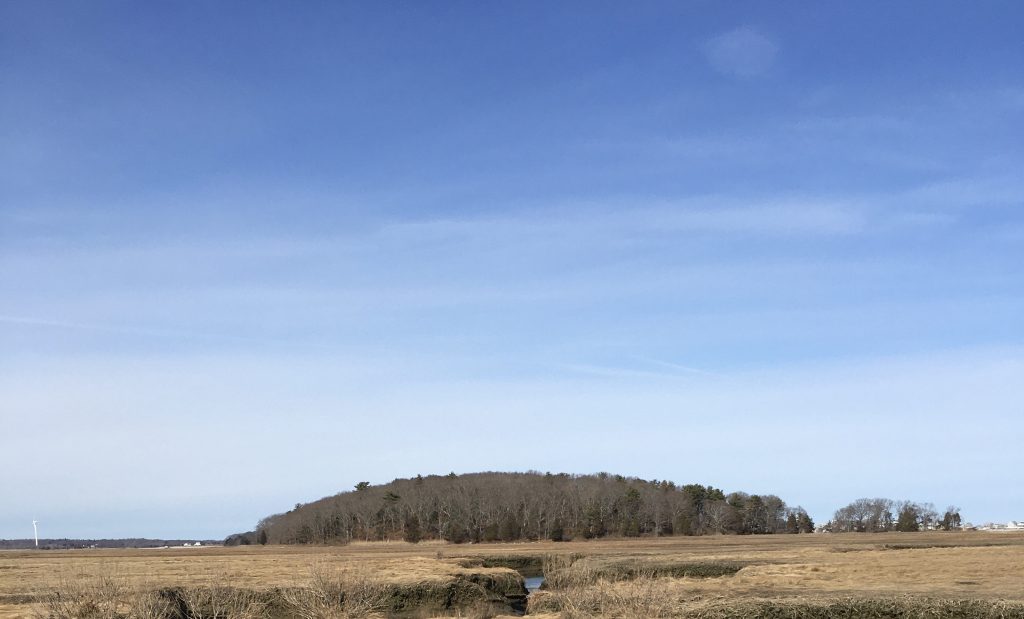
Tilden’s, AKA Hen Island, today, looking easterly from Flower Hill.
W Ray Freden, Seaview, Marshfield, 70 years.

Down East Maine.  “The Way Life Should Be”

Further Reading


As I Remember Decker Hatch, Part 3: Decker Was a Hard Worker
rker

BEACH PLUM PICKIN

FORAGING.
About a year ago I wrote of my foraging,< https://wrayfreden.com/2024/05/05/foraging/>    I neglected to mention allmost all  of my   foraging has been  during my married life. It has dawned on me I was foraging with my Mom back when I was 5 years old !
I had never thought the picking of wild Concord grapes  as foraging. The old Railroad bed across from our street.  had tons of them just-a-hanging waiting for the birds ,Mom, Dad & I. to gather  Baskets full of them , so ripe & sweet. Mom made Grape Juice & jelly from them and did this way before I was a helper. The Depression years were tough,
 Collecting the free grapes was  in  much need for that  sweet tooth.
 Now try Beach Plums,.  They were not in our back yard ,  that  meant a trip to the sea  shore and sand dunes, ,and only  a short trip to Humarock’s south end brought us to a large area of  Rexhame Beach Sand Dunes ,  Beach grass, Bay bushes ,Rugosa Rose Bushes, and Beach Plumb bushes, and plenty to be had.
.
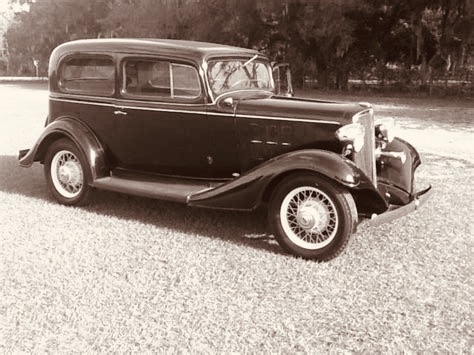
                 THE OLD CHEVY JUST WAITING TO GO ANYWHERE. ®
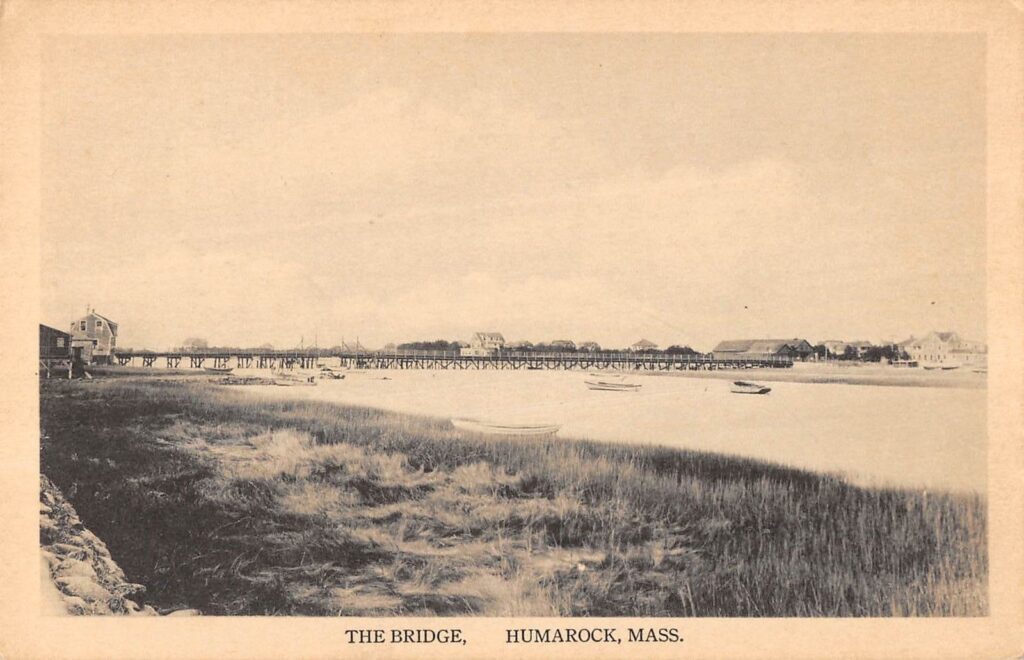
For you folks know of this area, your thinking of driving over the Julian St Bridge, turning right on a paved road, to a small gravel parking lot, Well, not so in 1939.  There was no Julian St Bridge, no paved road, no gravel parking lot.
It was over the Sea St Bridge to Central Ave, paved to Berry Ave next to  the Fire Station , then gravel  for a few more streets.
River St. was sand and wind blown sand  drifts, there were no  camps south of Julian St,  We make it to the end  of River St., and close enough to walk to the Rexhame dunes.
It was windy as hell that day,  the strong  wind ripped the car door from Mom’s  hand when she opened it !   Out I jumped  my jacket hood up and a tight grip on my basket handle.

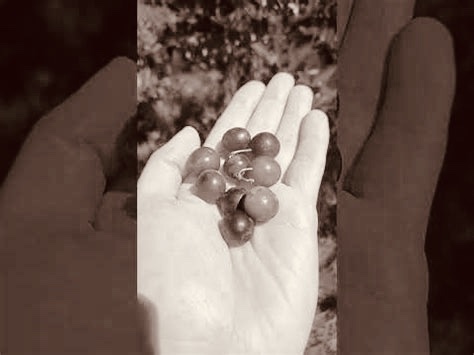
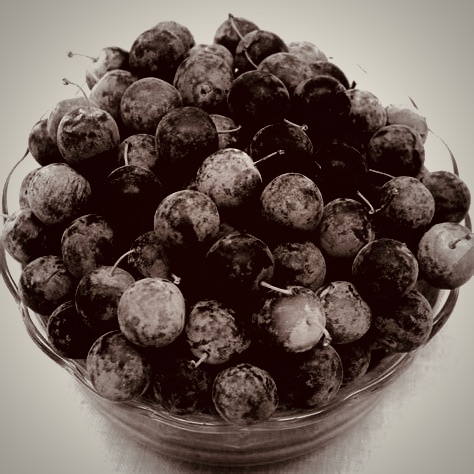
Pickin was pretty  easy,  if you picked back to the wind.   Some bushes were thick and   bushy  full of plums.

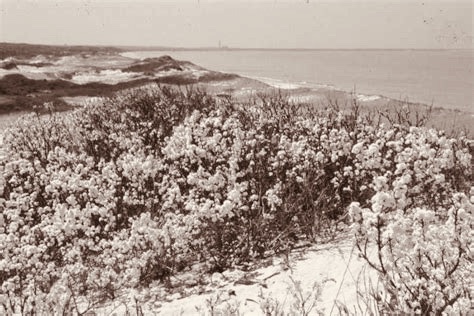
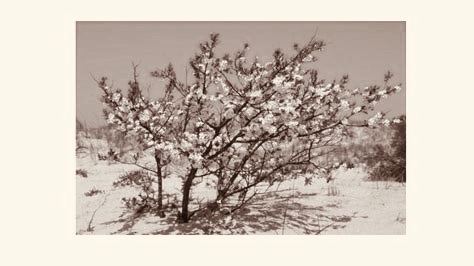
                SPRINGTIME , A SEA. OF WHITE OVERLOOKING
     REXHAME  DUNES,  THIS  IS LOOKING BACK TO HUMAROCK   BEACH, WITHOUT A COTTAGE IN SIGHT.
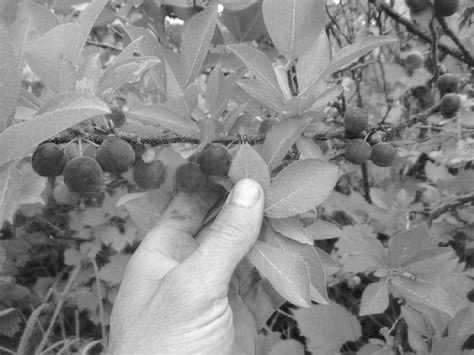
After the bloom and a summer of growing of the fruit

I t didn’t’ take long to fill my basket.

Mom said we needed 10 quarts, I had no clew what 10 quarts looked like, I took about three trips back to the car and dumped my share into the big basket on the back seat. Moms bounty filled the big basket ,so  off to home, but not without a stop at Steads ( Stedman’s General Store) for a candy bar and coke , that cost Mom 10¢ !  Mom got herself a treat also.  Then home to unload.

                              THIS BUSH WAS CHOCK-A-BLOCK-FULL. !
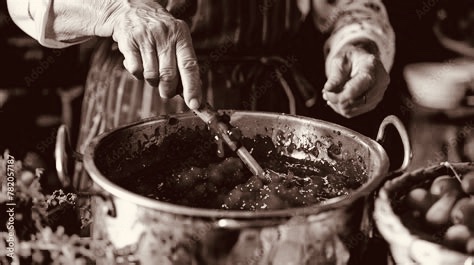
At home , out came the garden hose and a wash down of the plums. Another wash down in the kitchen’  sink. Then into a large pot to be boiled down to  make a mush.
Near 5 pm, the pot got pushed  back out of the way for mom to start supper.  When Dad arrived and his first words were  “OH, Plums for supper !”  Mom laughed . After supper Mom &D got to work on the now cooked plums, separating skins &seeds as best they. could.
               ,
               
                             This pile got poured into the pot to boil.
             
                   FIRST BOIL OFF . A POT OF MUSH ,SKINS & SEEDS 
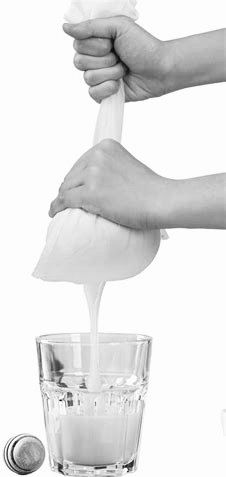
The mash got poured into a bag, the bag got squeezed to get the juice drained  and lots came out,  then the bag got hung on a bracket over the sink to drip overnight into a Large pan .  It was amazing to see the flow of clear juice. Dad would give the bag an upturn &  hard  squeeze. to  get the  flow restarted.
Well at 9 pm was my bedtime, so off to bed upstairs happily,  happily not having to listen that drip-drip !
                                                   
             MOM GOT THE DRIPPING STARTED WITH A SQUEEZE .
                                                   NANA ,helping.  
This was another session  some year  later,  Nana came to help out ,that  always a treat because she always had a bag full of goodies  !
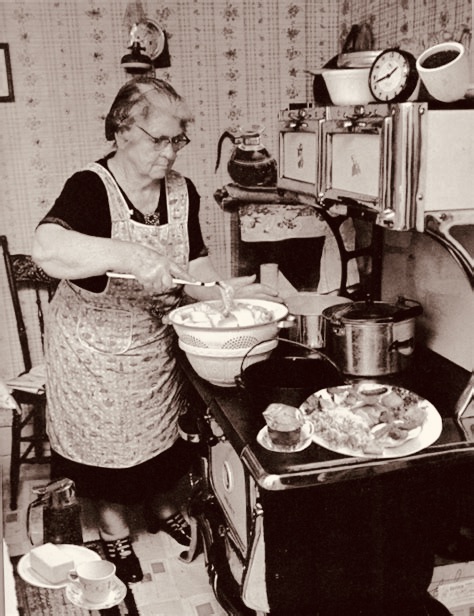
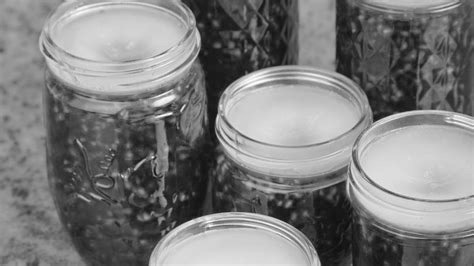
Mom got to adding sugar, petcin  & lemon juice , heat to a boil then cool & into, jelly jars with a wax seal.     15 pints done ,Yea !
MOM MELTED PARAFFIN WAX AND POURED IT OVER THE JELLY TO SEAL IT TIGHT.   
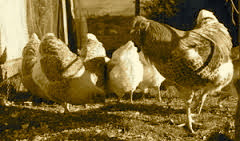
Next, the clean up.  the waste plum skins & seeds were in two  buckets  out on the porch. and ready  for me to bring  out to our chickens,  My Jacket, my rubbers over my shoes, and off to the chicken yard,. When they saw me they knew food was.  coming,  but, they don’t know of these treats, so  into the yard and dumping the bucket into the troth — well , these chickens went crazy-nuts — clucking, flying over , squawking   with mouths full of plum skins. — 12 happy girls.           
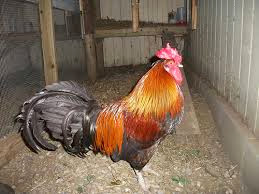
The roosters were in another closed off pen, I’d feed them next.
Just think, scraps to the chickens,–they process the scraps, I’d clean out the droppings & spread on the garden— oh do veggies love chicken poo !  Along with the best tasting eggs ever.  I remember Plum (- pickin trips) from 1939 to 1946 , all through WW ll .
Mom  always hoarded enough sugar  to make jelly  every year.
If your wondering what we used plum jelly on, ever hear of peanut & jelly sandwiches ? Waffles. smeared with Plum  jelly,
Plum jelly was special.
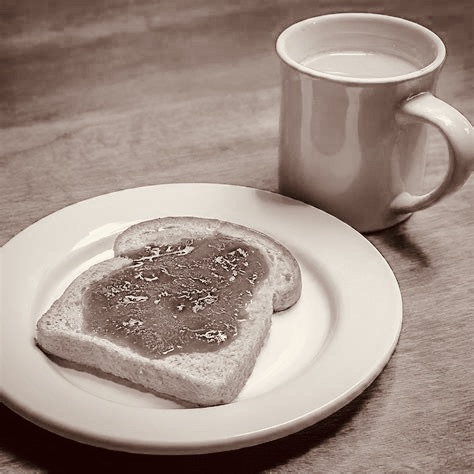
                   TOAST PLUM JELLY , A CUP OF WARM MILK.   LIFE  WAS GOOD . 
I had forgotten completely about this wonderful time, fromm1939 to 1946. now long gone.   In 1947 we moved into our new house.  At that time , and on ,  there were  two extra mouths to feed and too many chores to do and  finishing  touches, and I. just happened. to be the right. age for the “TO DO LIST” !
From this time on ,jams & jellies came from the A&P ,  or home made  from the food table at the Marshfield fair.
A FEW OF MY THOUGHTS:
The beach plum  I once knew,  A scraggly bush fighting to live in the salty Ocean -side sand.   In the spring it bursts into beautiful white flowers, that went  on to  little yellow green fruits, 
then turning purple pink , and on to the final ripe  plum blue color.  It amazed me to see  the fight it had  to live.  The wind was  never ending, the salt spray all day. there roots   continue to  search for the needed. nutrients to survive such conditions. Before man’s  progress, they survived all over the eastern coast.  the fruit, free for the taking for jam , jelly, and plum butter.
Then ,  a  summer camp,  then 10 summer camps , a bulldozer. or two leveling the dunes plowing the beach grass, the Rugosa Rose and the Beach plum bushes — GONE !  the survivors were jammed up in piles , only to be destroyed by property  owners because the scraggly bush did  not fit into their  landscaping. The Rugosa  Rose can be hedged and controlled.   It’s too bad more of  Humaroc;k’s,  south beach wasn’t kept for  a town preserve allowing the piping plover, and the least tern , to nest,   along with the  lowly beach plum  to   survive.  Gone, gone forever.
W. Ray Freden ,  Seaview, Marshfield 70 years . Down East Maine, 21 years,  “The Way Life Should Be”
WRF ®

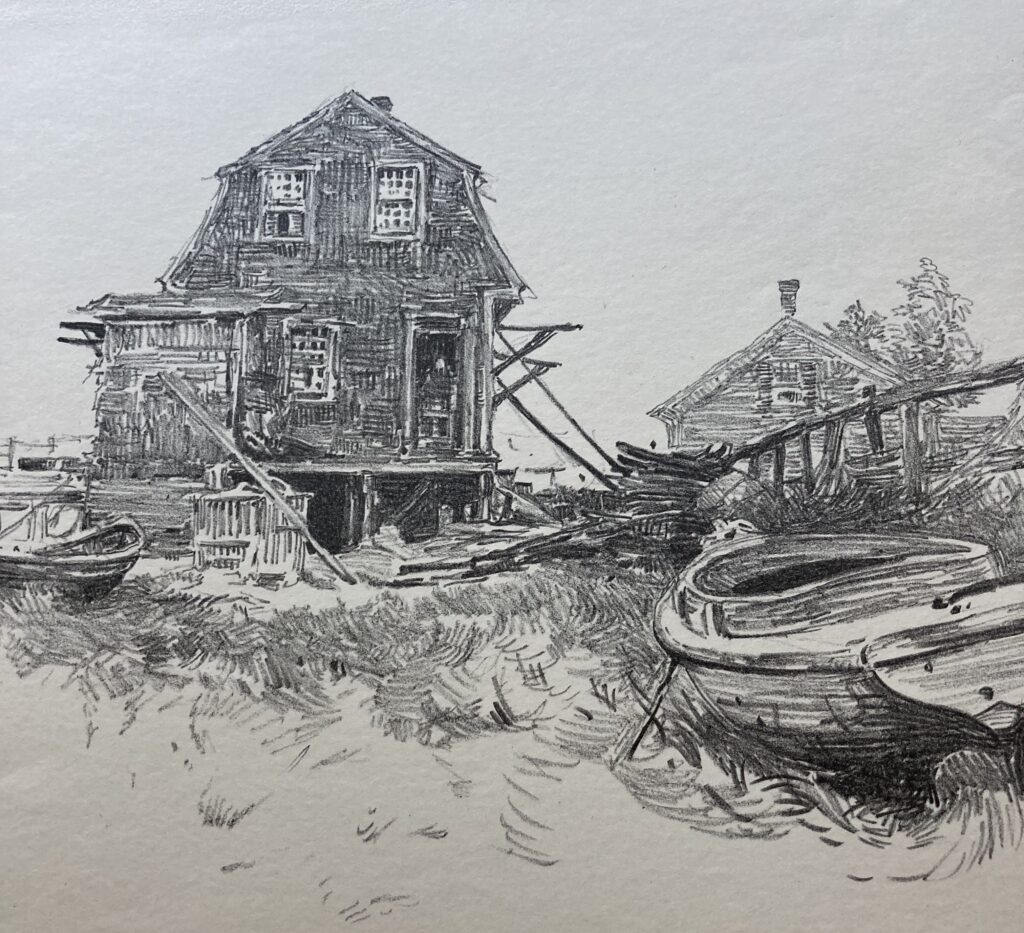
GAMBREL CAPE by Sears Gallagher

Sketch by Sears Gallagher c. 1900.  1250 Ferry St. Looking S.E. from Sea St. & Ferry St.

A beautiful rendition of a gambrel cape home located on the South River waterfront.  I assume it was built near  1880, The building shows in a 1883 photo I have.
Guy Keith (1885-1952) and his wife,  long time residences, of 1250 Ferry St.,  raised their  family of four, John, Robert, William and Florence.
As far as I remember , Guy was a waterman, clam digger, clam warden, and assistant Harbor Master for the South River. Mr. Keith also  built small boats & Dory’s. He rented row boats to fishermen & clammers.
As a very young person and being pushed around in a stroller, I remember visiting  Mrs. Keith with my Mom, It was a past time of my Mom’s to stop in and have a chat with this-one- and- that-one along her routes. This was a treat for me too, these ladies were great cooks and always had a treat of cookies— or a  cookie. They were hard times, enduring The Great Depression. A time of no frills.
I think Mrs Keith sold baked goods on weekends to the visitors of Humarock Beach. A number of homemakers did this along the route to the beach.
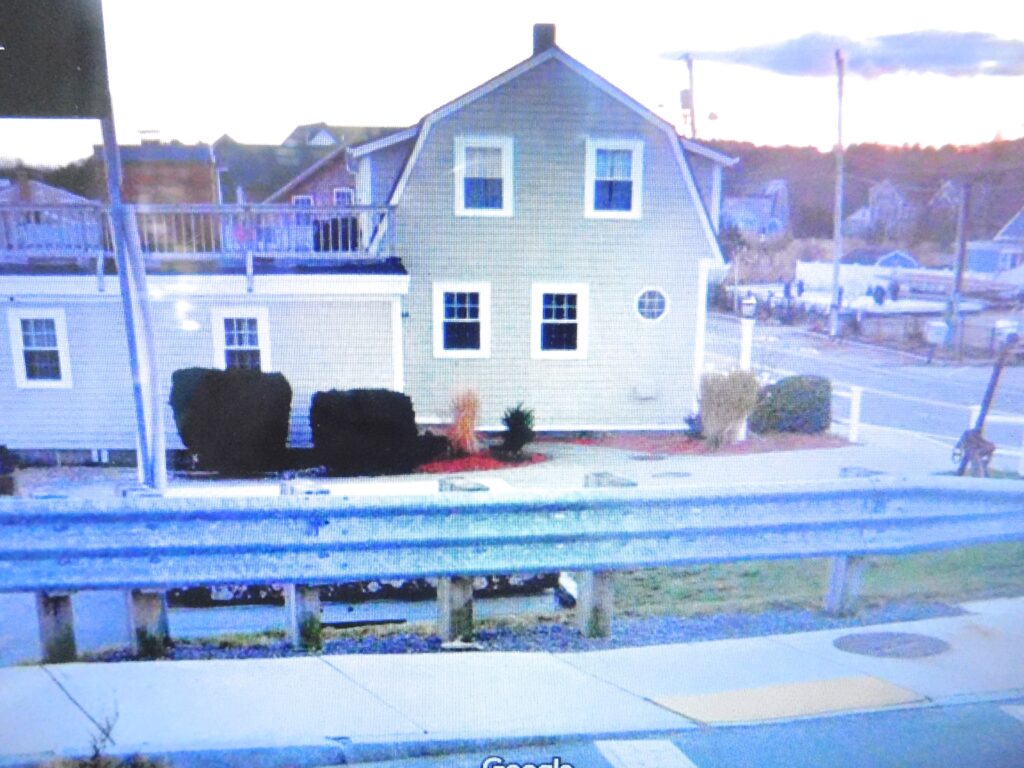
Today’s view of 1250 Ferry St.

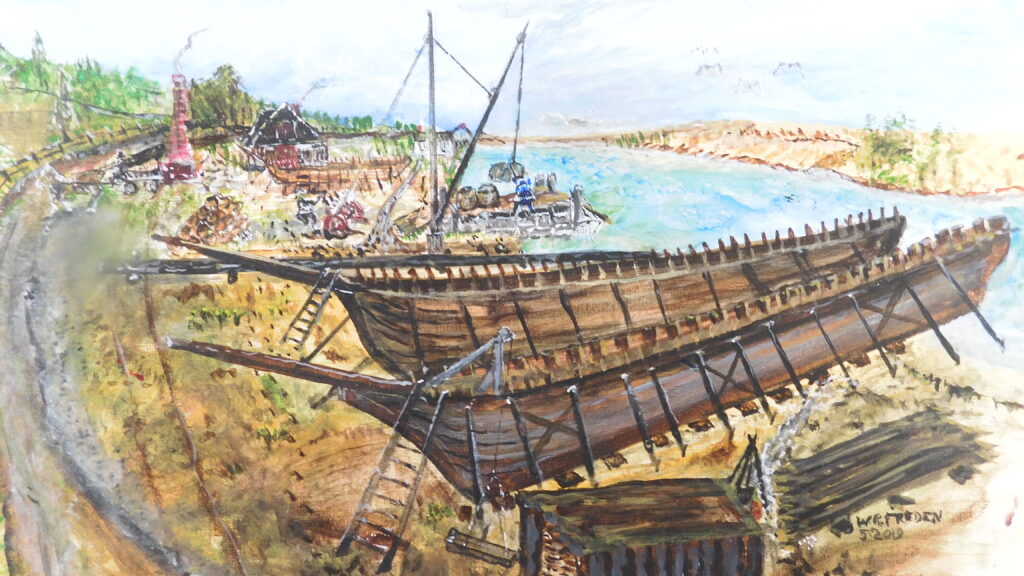
This area is the site of Hall’s Shipyard, operated by three brothers, William, Samuel, & Luke. From 1825 to 1840. This area along Ferry St. was known as Whites Ferry, The first Court ordered Ferry in America, 1638.


This painting by W. Ray Freden is a rendition of what Hall’s shipyard could have looked like.

Looking North  with the North River (now South River) and The Hummocks, (now Humarock) to the right.
Ferry St to the far upper left. The Sea St. Bridge now crosses the river just beyond the furthest crane.

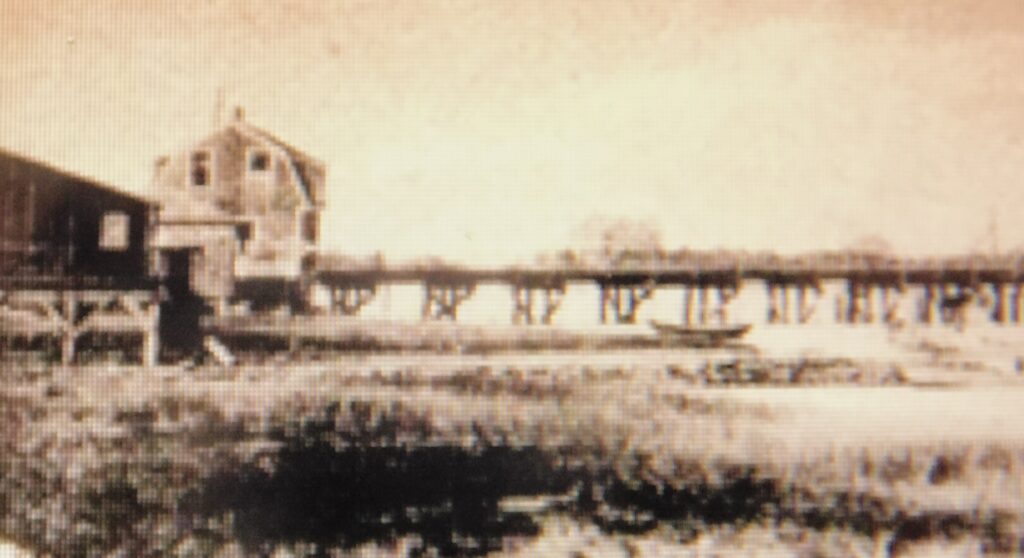
Looking north from the once Hall’s Shipyard with the Sea St. bridge and the Gambrel Cape on the left. c 1910.


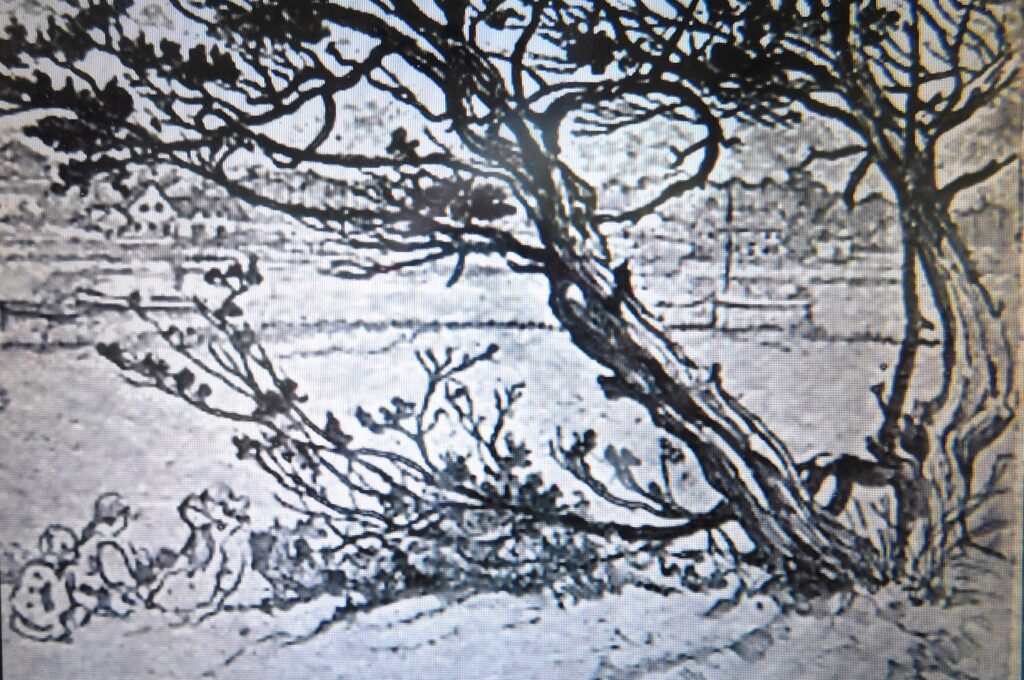
Another of Gallagher’s sketches. A close look revels children playing under a typical windblown red Car tree. Across the river on the left shows the North River House. 
Another interesting sketch by Gallagher, Children playing under  wind blown Red Cedar tree. on the Humarock side ( left)
The right side and across the river, the North River house can be seen.
Sears Gallagher spent many hours with friends in the village of Sea View & Humarock in the early 1930’s.    https://en.wikipedia.org/wiki/Sears_Gallagher.
There was once in time, my footprints could be seen here.
W. Ray Freden, Seaview, Marshfield 70 years.