SHOE & BOOT MAKING IN MARSHFIELD

The 1867 Marshfield street listing shows over 90 men listed as shoemakers. that included cobblers .  Most records show these locations in the North & East Villages, however I found mention of a  cobblers shop in the area of the Marshfield Store.


A Shoemakers workshop.
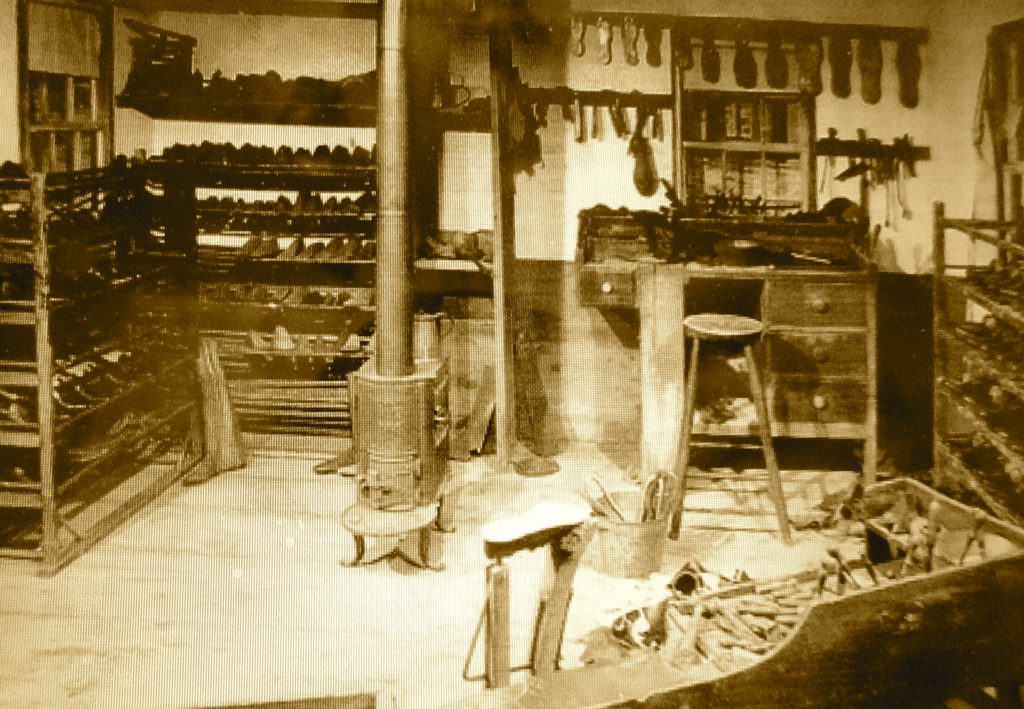
A Cobblers/Shoemakers  shop at 63 Union St. operated by Calvin Joyce. c.1900

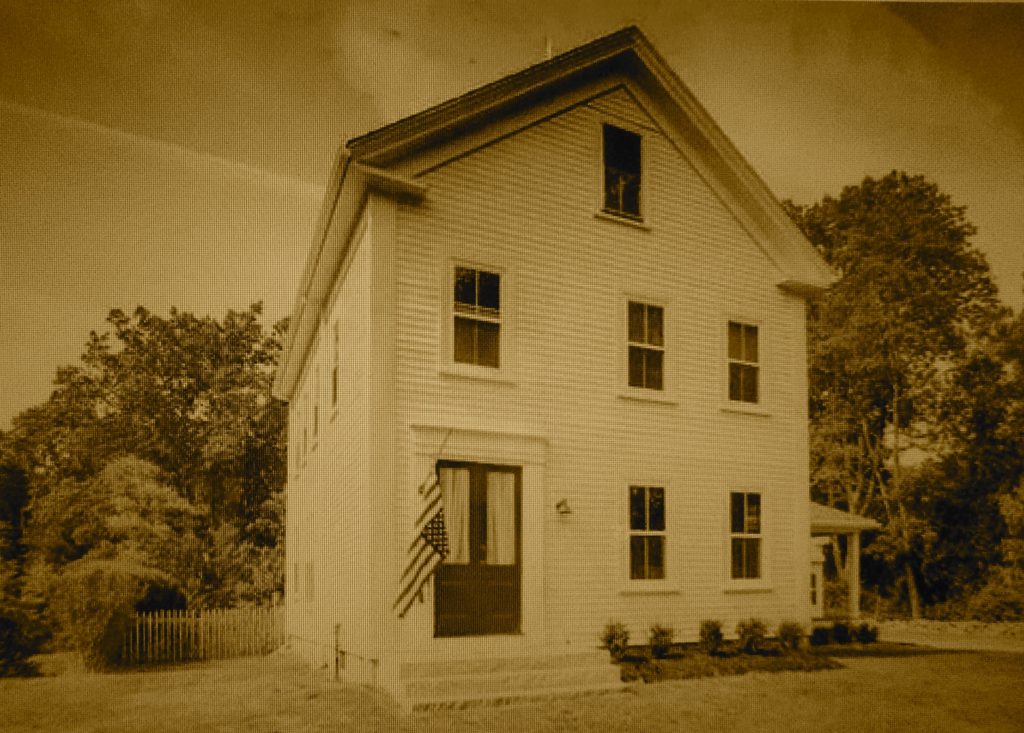
The Doane/ Stevens shop in Littletown, (changed to Sea View in 1883.)
The residence was moved from its location to the now 35 Station St. (once Summer St}  to allow the Railroad to build a Station at the now,  53 Station St.
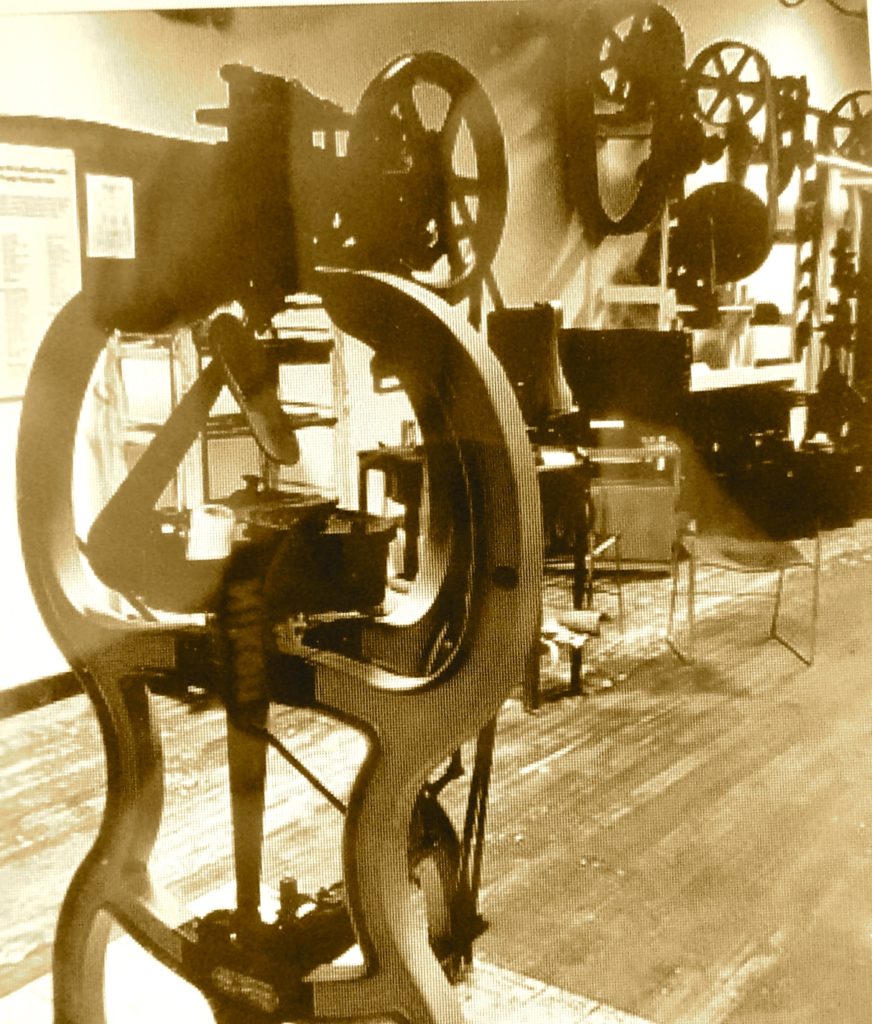
A two story Ell was added to this Cape Cod residence  to accommodate shoemaking  machinery  in rooms on the lower floor. Small rooms on the second floor were provided for  the workers that did not commute.
A large kitchen & a dinning room fed the workers three meals a day.
The Railroad next door provided shipping to the Shoe Markets.
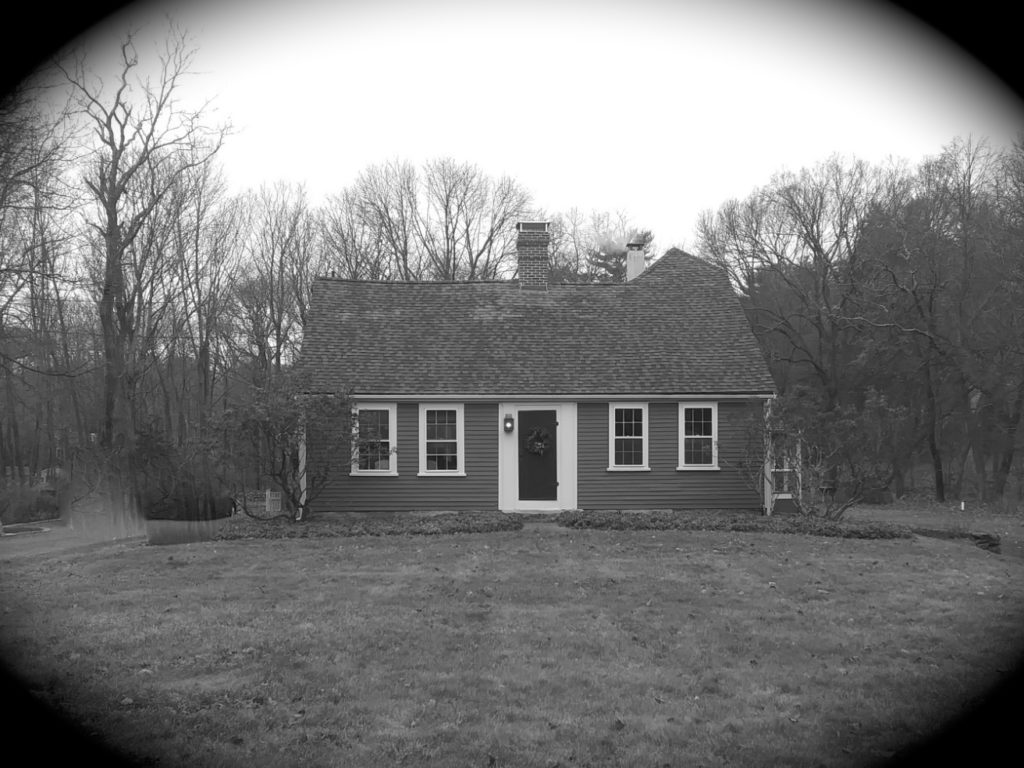
The peak of the two story ell can be seen on the right roof line.

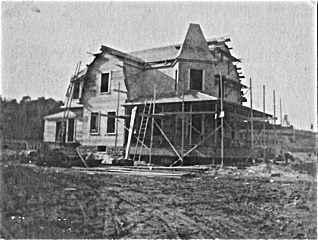
Thomas Stevens made a small fortune as a shoemaker and built a stately home across the street at 207 Summer St. in 1901.
Down the street at 110 Summer St. , a large general store was built by George Weatherbee Sr. and run by his son George Jr. from 1849 to 1852, It later  became the Gardner/Arnold Shoe Shop.
It was outfitted with state of the art machinery, the first sewing machines in town. In 1879.
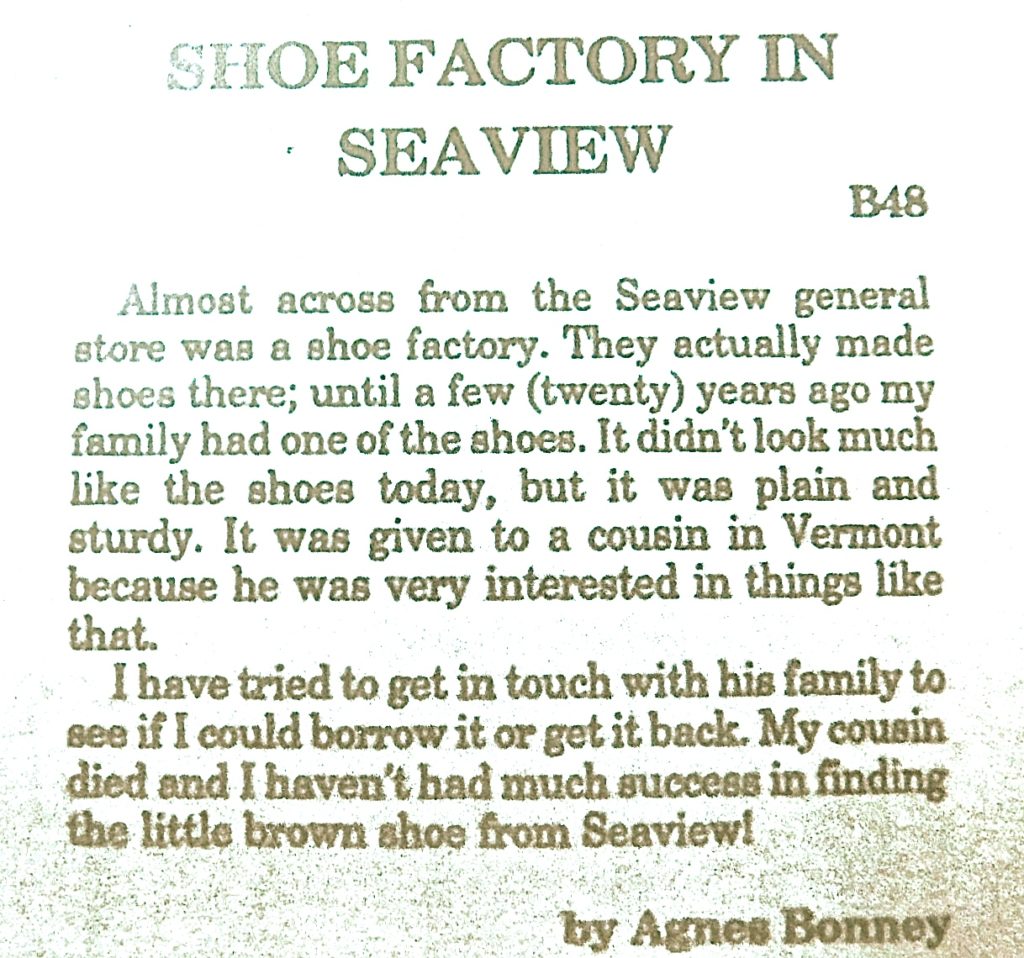
Agnes Josephine Bonney,  Former resident of 5 Station St.
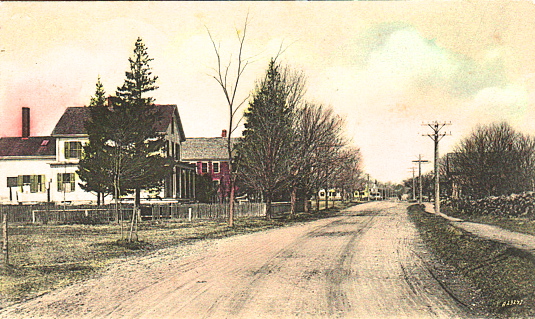
101 Summer St. looking north. The red building was the Gardner / Arnold Shoe Shop.  It was sold to George Pecker, a summer resident, and operated as a shoe shop short time.
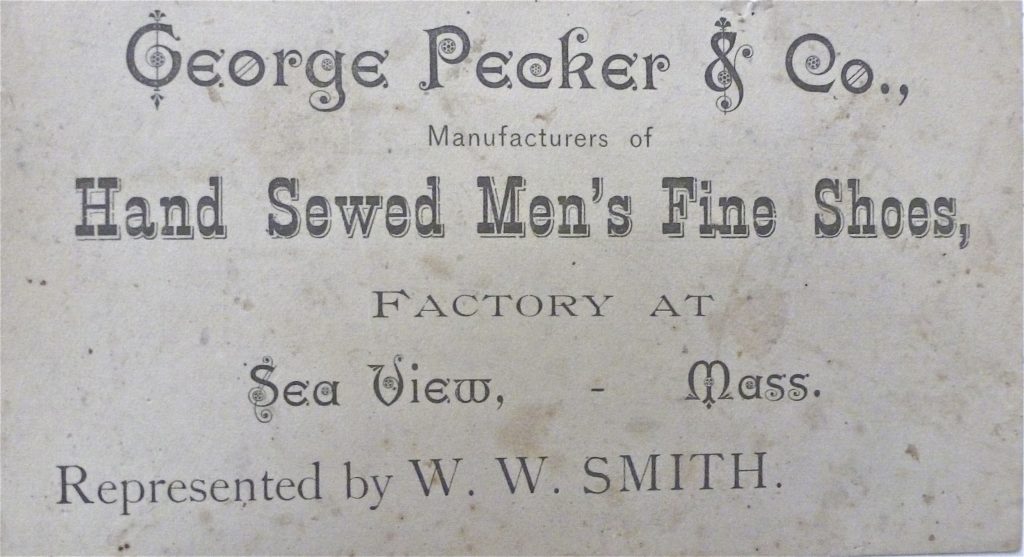
It closed up shop in 1882. It then was vacant for a long time. It became a woodworking shop making many different wood products, model boats, bird houses, & novelties. It was acquired by the Donovan family in 1905.
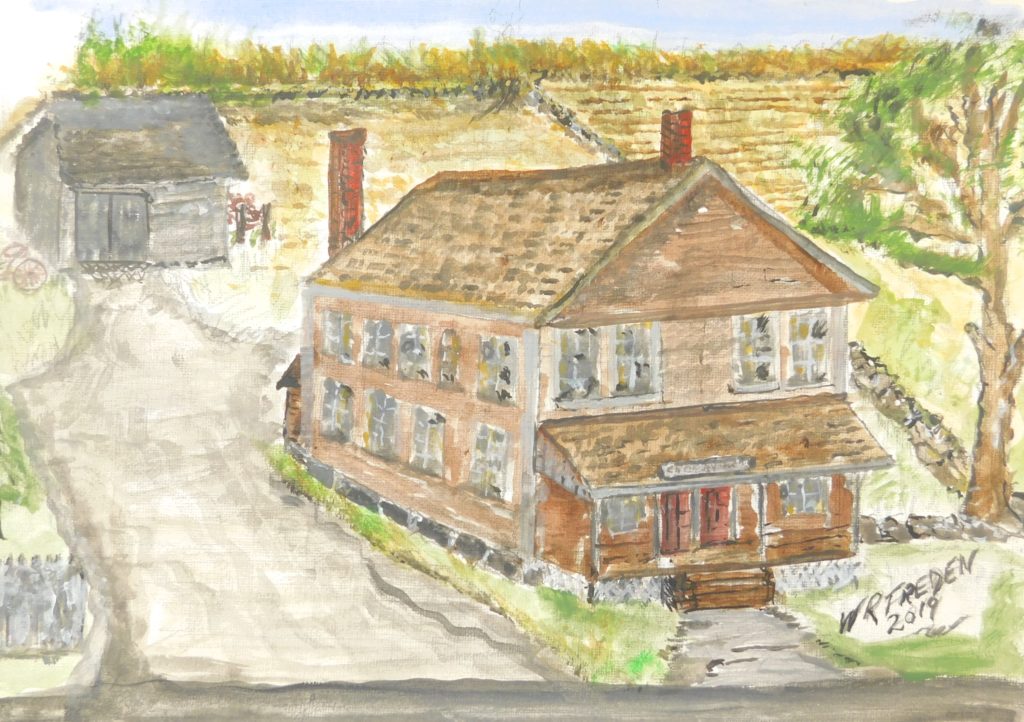
Gardner / Arnold Shoeshop, 101 Summer St, Sea View.
Painting by W. Ray Freden 2019.

After it’s  long vacancy,  the building was razed  in 1950-1,  the front doors still  remain  on a small private  workshop in Seaview.
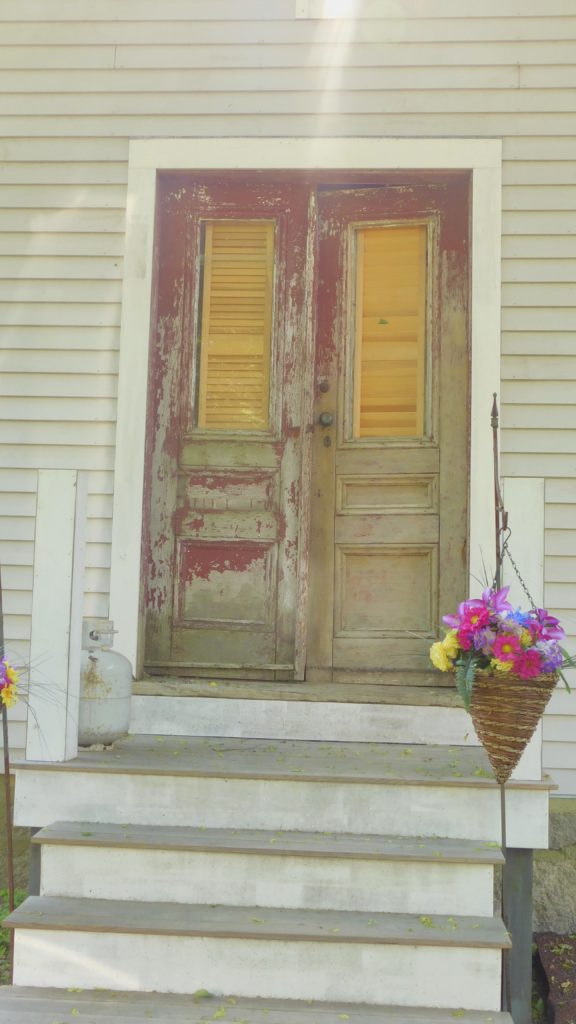
Now on a home shop in Seaview.

Another Shop at 88 Highland St. Lincoln Damond & Charles Tilden along with Albert Bates employing 15 to 25 shoemakers.
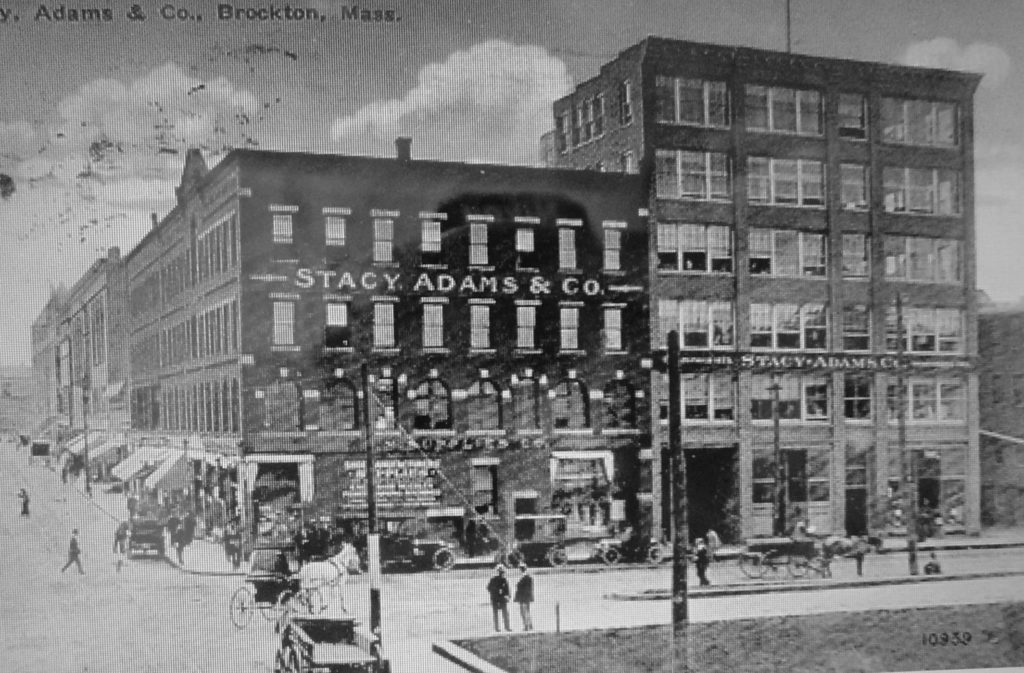
The small shoe industries gradually gave way to the large shoe factories in Brockton, Abington, Whitman, & other cities around Massachusetts & New Hampshire.
My Dad, Bill, along with his family were shoe factory employees. From a young age Bill worked in a large factory in Campello. He suggested to his boss that if they removed a hand operated lever from his machine,  and made it foot operated he could produce more.
Weeks later a machinist did alter the machine, in a short time Bill was out producing his coworkers by two to three times.  He got a raise & promoted to another duty, this new duty put more pressure on Bill than he wished. He chose to  quit,  He never returned to shoe-making.
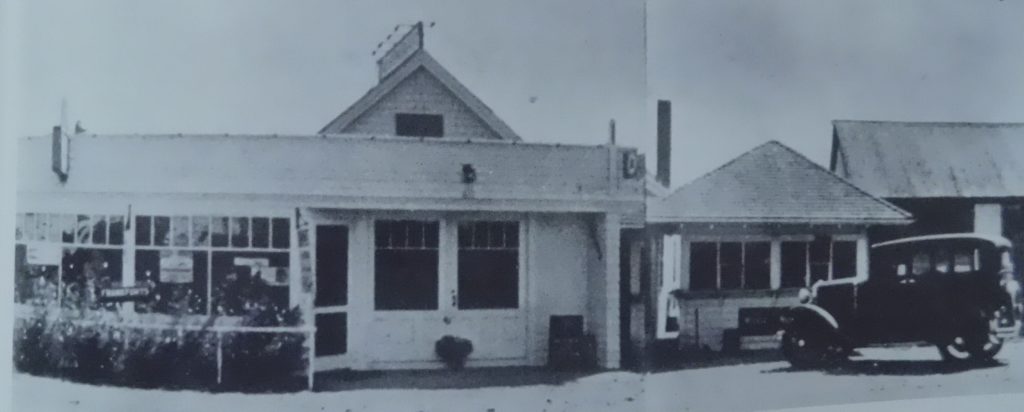
The last cobbler in Marshfield was located in the small shop behind the car. This was the block of buildings east of Marshfield Radio & Television owned by Russ Chandler, Ocean St.
I am sure there were more home industry shoemakers in Marshfield,
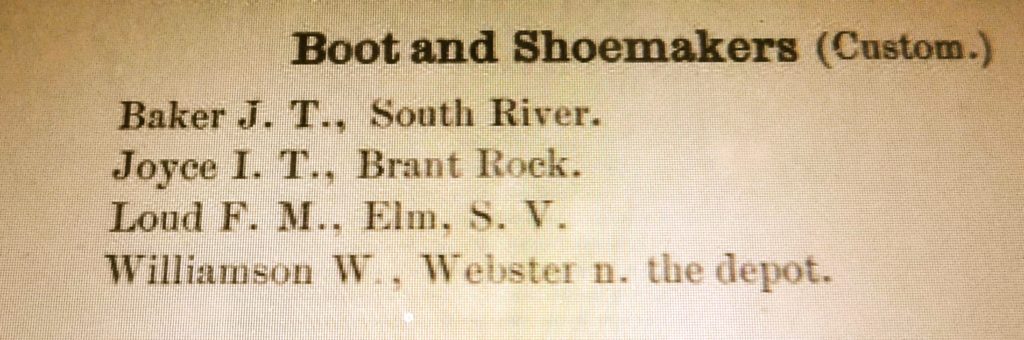
The 1884 Street listing shows these Custom Shoemakers.


” I have three soles, left, right and all of the above.”
“It seems , there are more heels around  than there are shoes.”
“Have you noticed that a lot of sneakers are  holding their tongues .”


The above quotes by W. Ray Freden .


W. Ray Freden, Seaview/Marshfield 70 years.
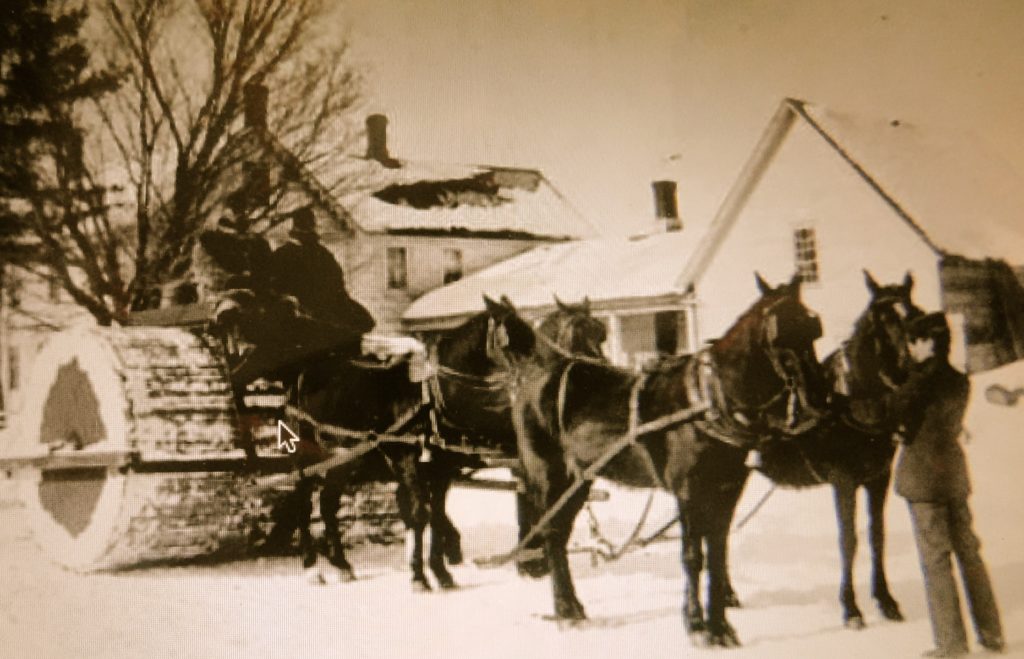
 

Snow Rollers & Snow Donuts

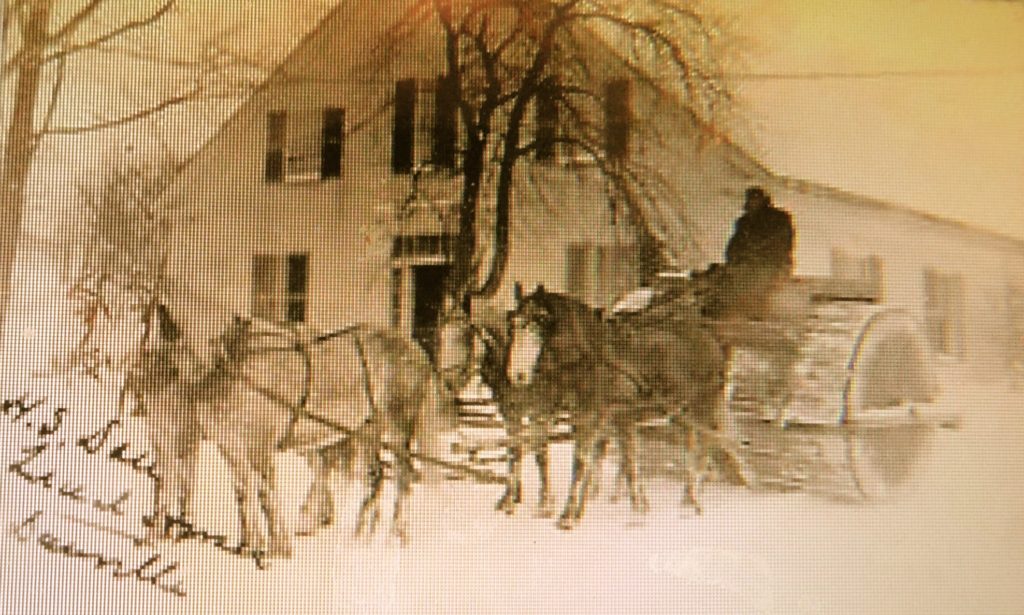
I had been aware of the Snow Rollers used before snow plowing. They were large wooden barrels designed to be pulled with a team of horses or oxen.

I was told that a vintage roller could be seen  
                                    off Summer St., Seaview,  in a back yard of an                                                    old farm house for years. c. 1940’s.

Snow wasn’t removed from the roads but simply packed down to be walked on or ridden over by horse or horse & wagon.

Another kind of Snow Roller.
My wife & I, along with our two boys, were in for a huge surprise.
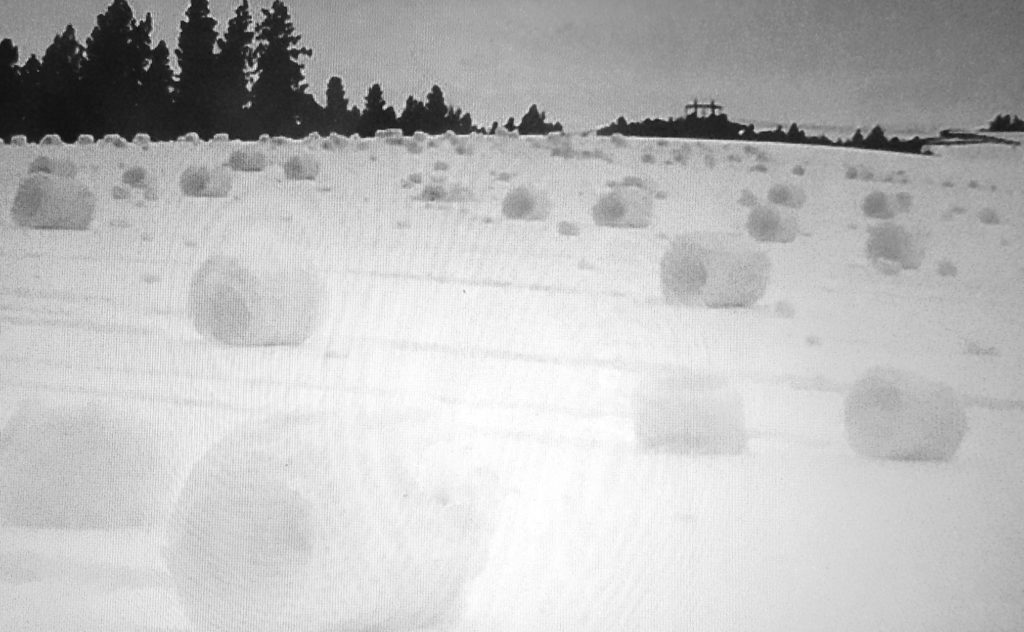
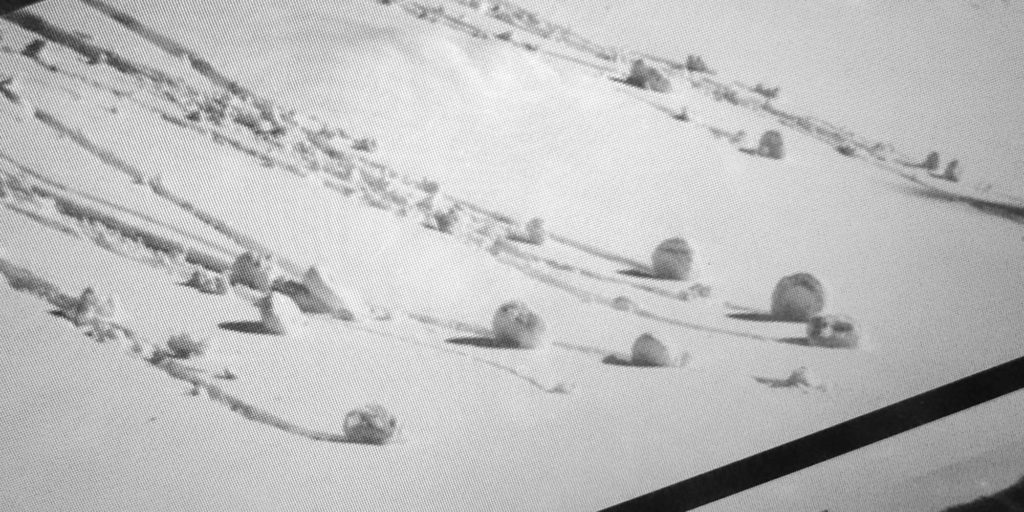
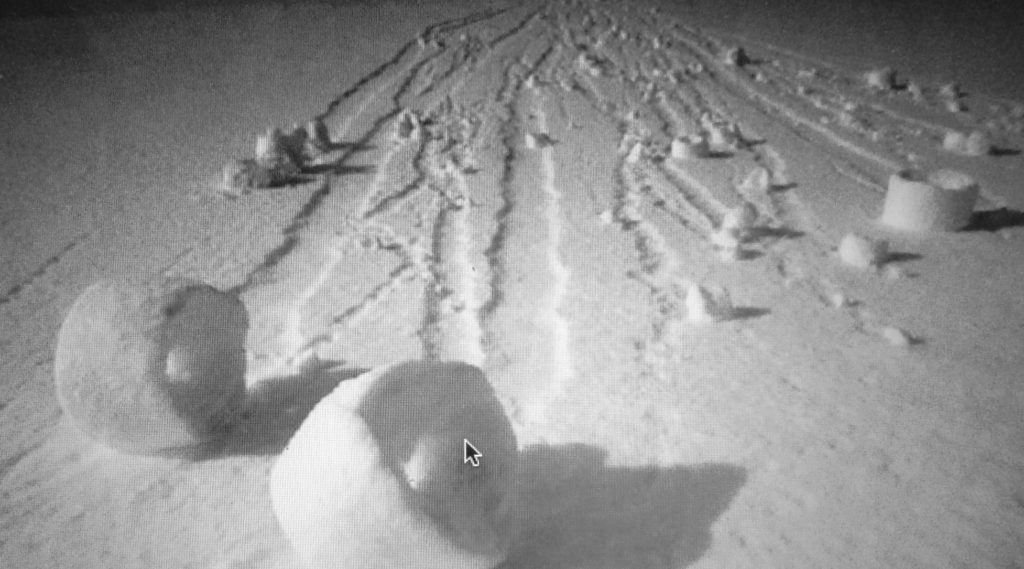
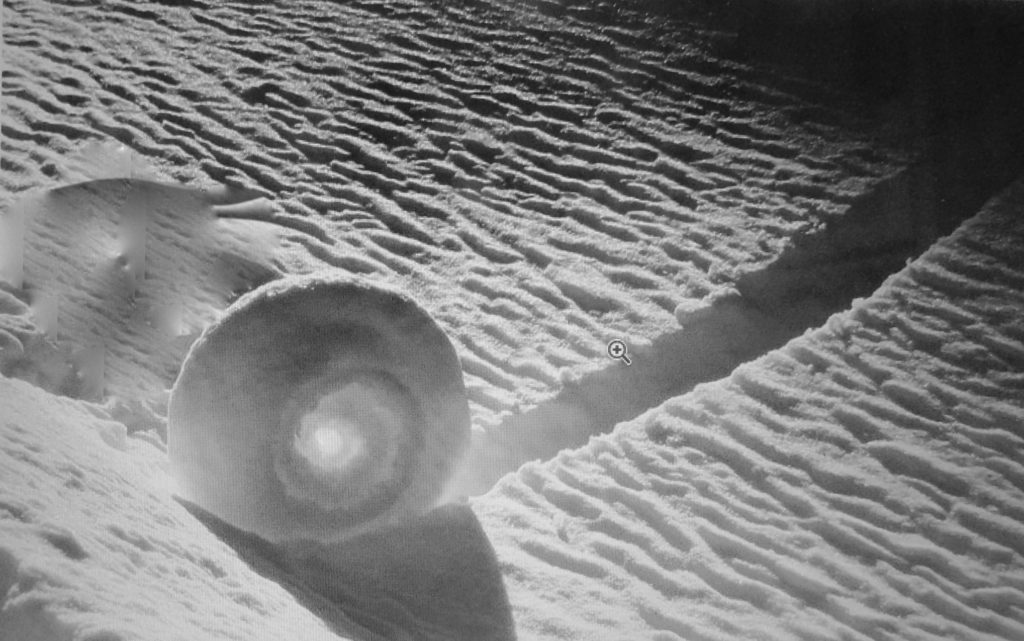
After a visit to a friend’s lodge in Stowe, Vermont, and a long weekend of skiing, eating & indulging, we were  returning home on Rte.  100 southbound  through Waterbury.  A long high hill came into view and was full of lumps.  These lumps looked like donuts or jelly-rolls made from snow.  Both my wife and I were dumbfounded.  Never in our lives had we seen such a display of this mystery in the snow.  Well our oldest son pipes up and said “Dad, they are snow rollers!”  Huh?  “Ya, Dad, I saw a photo on the Lodge wall, and I was told about them. The snow has to be just right and a steady amount of wind blows a ball downhill  collecting more snow.”

My 35 mm camera was out of film, but I had a  B&W camera for emergency’s. I used up the 12 photos fast and as best I could from my lane that now was collecting traffic. I just couldn’t understand how the wind could ever get under the snow and lift it into a windblown donut .

‘A snow roller is a rare meteorological phenomenon in which cylindrical snowballs are formed naturally.  Chunks of snow roll downhill or are blown along the ground by wind, picking up more snow along the way,  much the same way that the large snowballs used in snowmen are made. They can be as small as a tennis ball, but they can also be bigger than a car.’


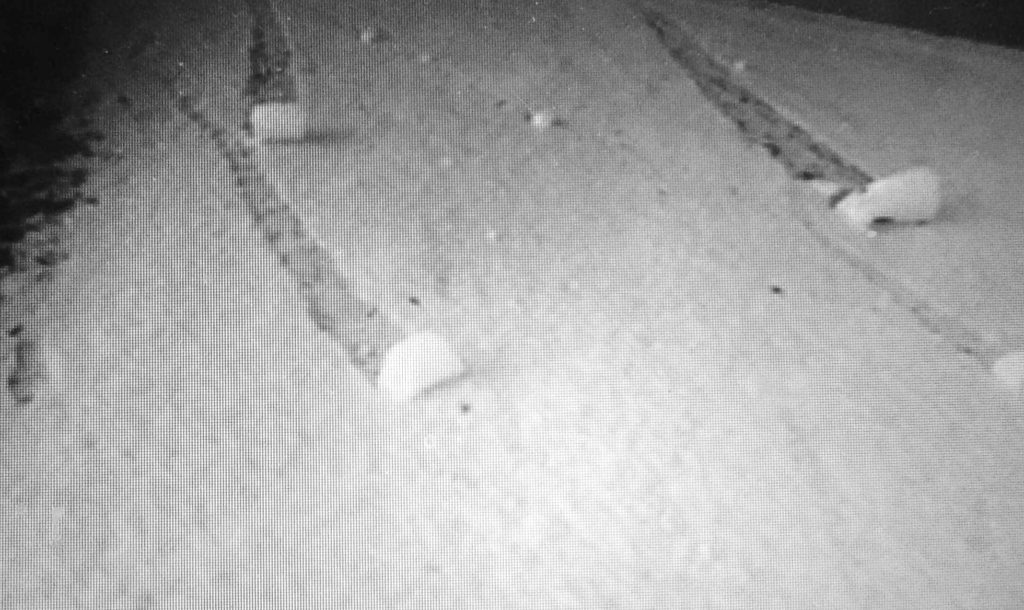
Both the above & below photos show the rollers had almost jumped the snow bank into Rte 100, Waterbury, Vt. c. late 70’s.

This was a “once-in-a-lifetime” experience, a sight that we will never forget.

Snow rollers are also known as “snow bales,” “wind snowballs” or “snow donuts.”
W. Ray Freden, Seaview/ Marshfield, 70 years. Down East Maine 18 years.


VINTAGE SALT WORKS

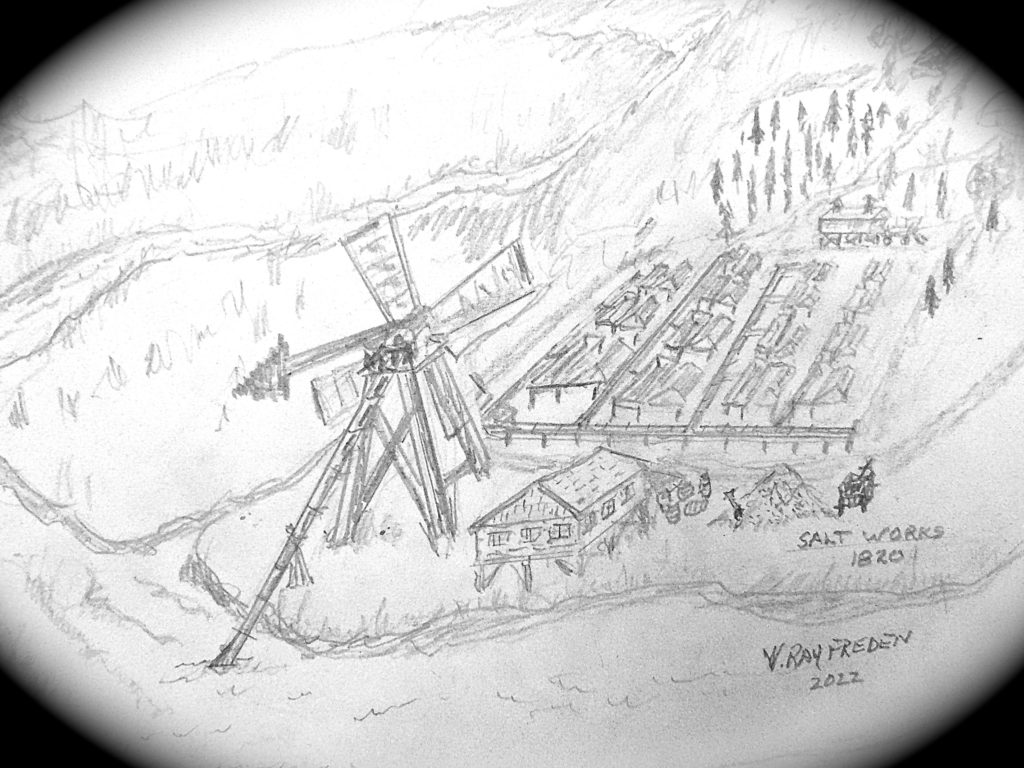
Marshfield’s only salt works was located on the western banks of the  North River (today’s South River) and East of what is now known as Sea Rivers off South River St.
It was owned by Samuel Brown & Daniel Phillips, Daniels residence, at the junction of The Ferry Rd. & South River St.  A very wealthy  farmer & entrepreneur of Marshfield.

Any residents on the East side of The Sea Rivers Club would have a spectacular view of it’s goings on in the early to mid-1800’s.
Access would have been near the Peregrine White’s homestead.
Marshfield’s history books give no accounts of it’s operation, only that it did exist.
However Duxbury, Sandwich, and most towns on Cape Cod have a lot to say of their once-thriving Salt Works.

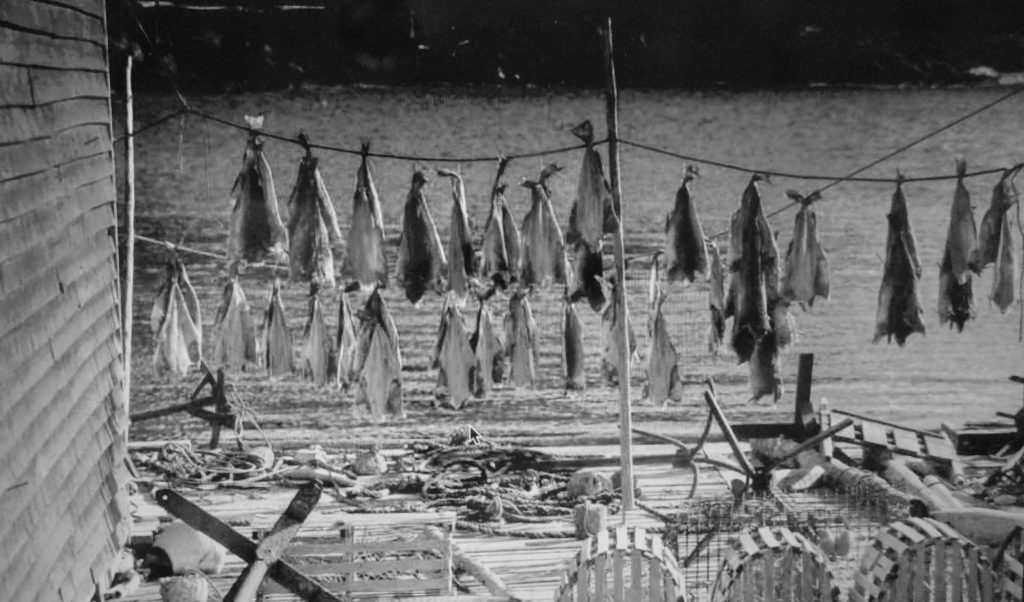
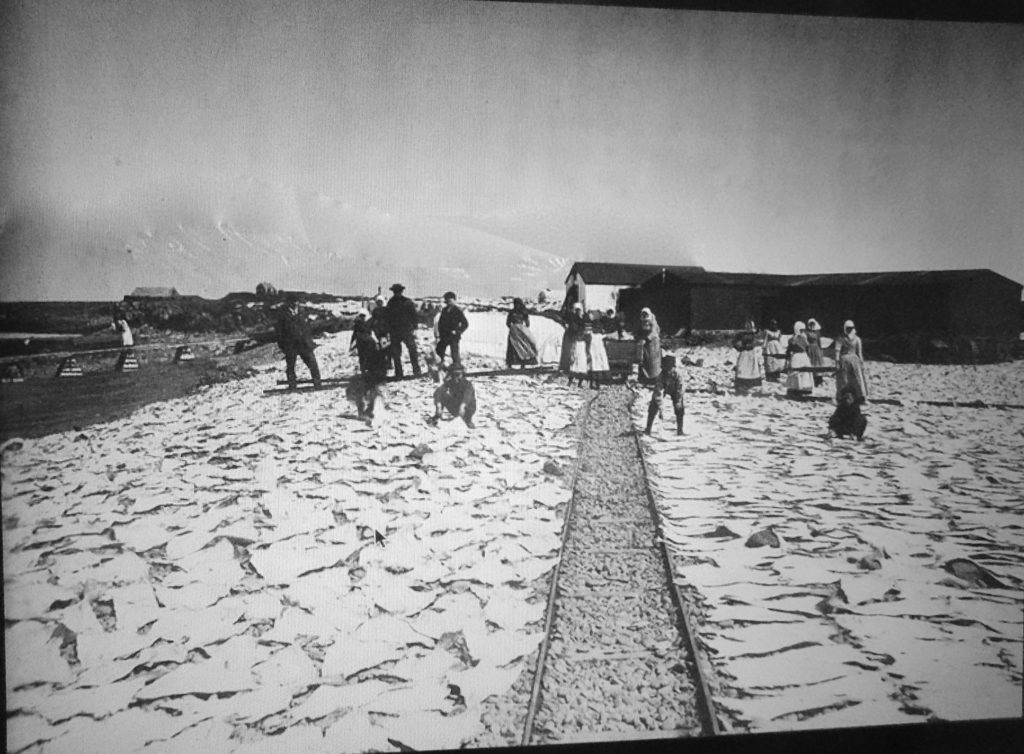
The greatest demand for salt was to preserve food, Tons of it was used to salt cod as well as other fish to preserve it for long periods.
All red meats were smoked & salted for the Colonists to overwinter food supplies.


Hanging salted codfish to dry (above).  Salt Cod drying on the ground (below).

Most of the salt water salt dried in huge wooden troughs by the sun & wind,usually  in unsanitary conditions.   If Sea Salt was to be used for table use, the household would have to clean the salt by a quick wash with clean fresh water, sun-dried and toasting it to clean the contaminants as best they could.  The salt would then have to be ground to a fine texture by mortar & pestle or coffee grinder if a household could afford one.

These salt works usually covered many acres…the more troughs the better. A windmill pumped salt water from the river or bay into these troughs, as the sun evaporated the water leaving a slurry.  A raker would have to agitate the thick slurry so it would not cement itself to the wooden troughs.  Roof covers were alongside the troughs so they could cover the troughs in case of rain. After the salt was dry, it would be shoveled into barrels, boxes or loaded by bulk into a wagon.  I couldn’t find the cost of sea salt through the 1800’s but it was not much per ton.

The following are excerpts  of miscellaneous publications with credit if found;

Duxbury Beach was first known as “Salt-house Beach” and later “Salter’s Beach,” indicating early salt works and “salt pans.” This took place at Gurnet Creek where there were fishing stages — low racks for drying and curing fish. As early as 1622-24, there were simple salt-making places at Duxbury Beach.  Early on, Duxbury families depended upon fishing, and these fish needed to be preserved in order to be sold and shipped.  Early saltworks pre-1750 were in the Bay Road area in places like Island CreekWadsworth/Torrey’s Creek, and off of today’s Bay Pond Road at Powder Point.

To make salt, Duxbury salt-makers often used dikes and tide gates to control the flow of salt water for the salt-making. Then a windmill was used to pump the salt water into a series of vats or pans. These were low tiered pans that could flow into each other as the salt water was heated or boiled. Heat was a very important component and ample wood was needed from Duxbury woodlots. Hot, sunny, and dry weather was a boost so salt-making was often done in the summer.

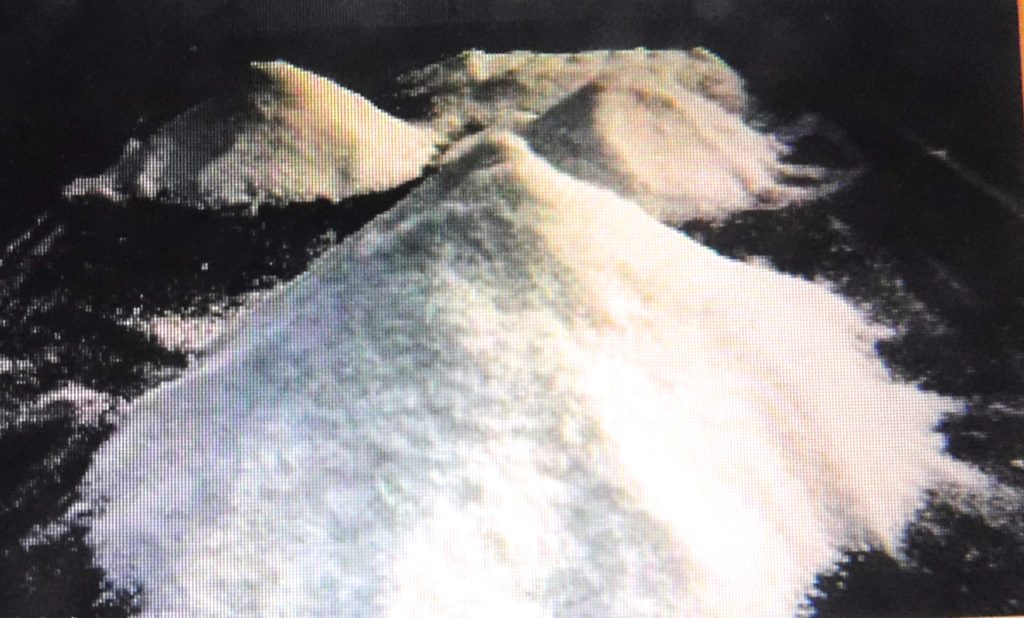
 According to the “Dukes County Intelligencer,” the first known salt works on the Vineyard was up and running by 1778.  By 1807, salt manufacturing – air-drying saltwater in shallow pans – was the island’s second largest industry. By 1800 there were over 800 salt works across Cape Cod.  Sea salt is harvested from the sea, rather than mined from underground salt deposits. It is the salt that has naturally formed at the bottom of an ocean or a large lake. Sea salt is naturally rich in minerals and has a full spectrum of colors. These are made up of varying proportions of iron, magnesium, calcium, potassium and sodium.  Sea salt also contains trace amounts of iodine, silicon and sulphur, all of which are important to our health.

People don’t enjoy salt,they enjoy what is salted. We are the salt of the earth. We do not exist for ourselves       -John Piper.


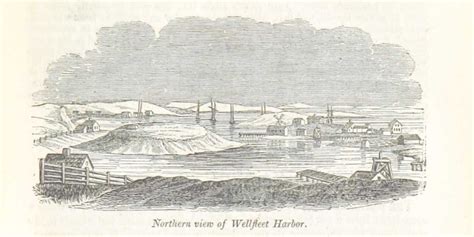
There has been a resurgence of Sea Salting in Wellfleet Ma, in Martha’s  Vineyard, Ma. & Plymouth Ma.


W. Ray Freden , Old Salt.
Sea View, Marshfield 70 years, Down East Maine, 18 years.