If you remember my part one of the North River over 100 years ago was of “The Story Teller” Walter Crossley’s stories published in the Marshfield Mariner in the early ’70’s. My writings are verbatim.
ON THE RIVER
He was traveling east, down river, and we left off somewhere east of the Pembroke Herring Run stream’s mouth.
Part 2:
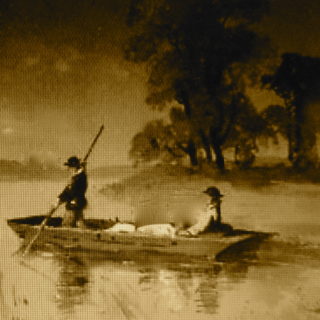
“The boats we used in that part of the river were simply square boxes eight to 10 feet long and 30 to 36 inches wide. Built of any boards we could find, innocent of paint and water soaked, they were heavy as lead. We used homemade paddles and poles for power.”
Punts were usually home-built and similar to this.
“There was still no trace of salt, but there was a rise and fall in the water as the tide started backing up. The current did not reverse itself, as it does lower down, but it did come almost to a standstill at high tide.
Not too far now, as we paddled and pushed, we came to Reed’s Landing.
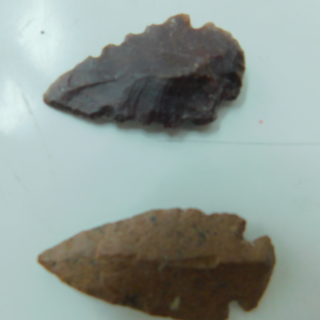
The high ground came to the river here and, nearby was a small stony beach. I have heard that this area was used as a loading point for the hay gundalow’s and for the boats bringing supplies up river. At one time there were a few houses in this area as well, although I have only seen cellar foundations and a few water wells. The Indians were here too, I have found artifacts.”
“The river now becomes a respectable stream. Progress is easy and all you need is an occasional stroke to keep away from the banks.
There were red-wing black birds in the clouds as many other species. At sunset the swallows almost hid the sky. The mosquito’s filled any spaces left.”
MEN OF THE RIVER
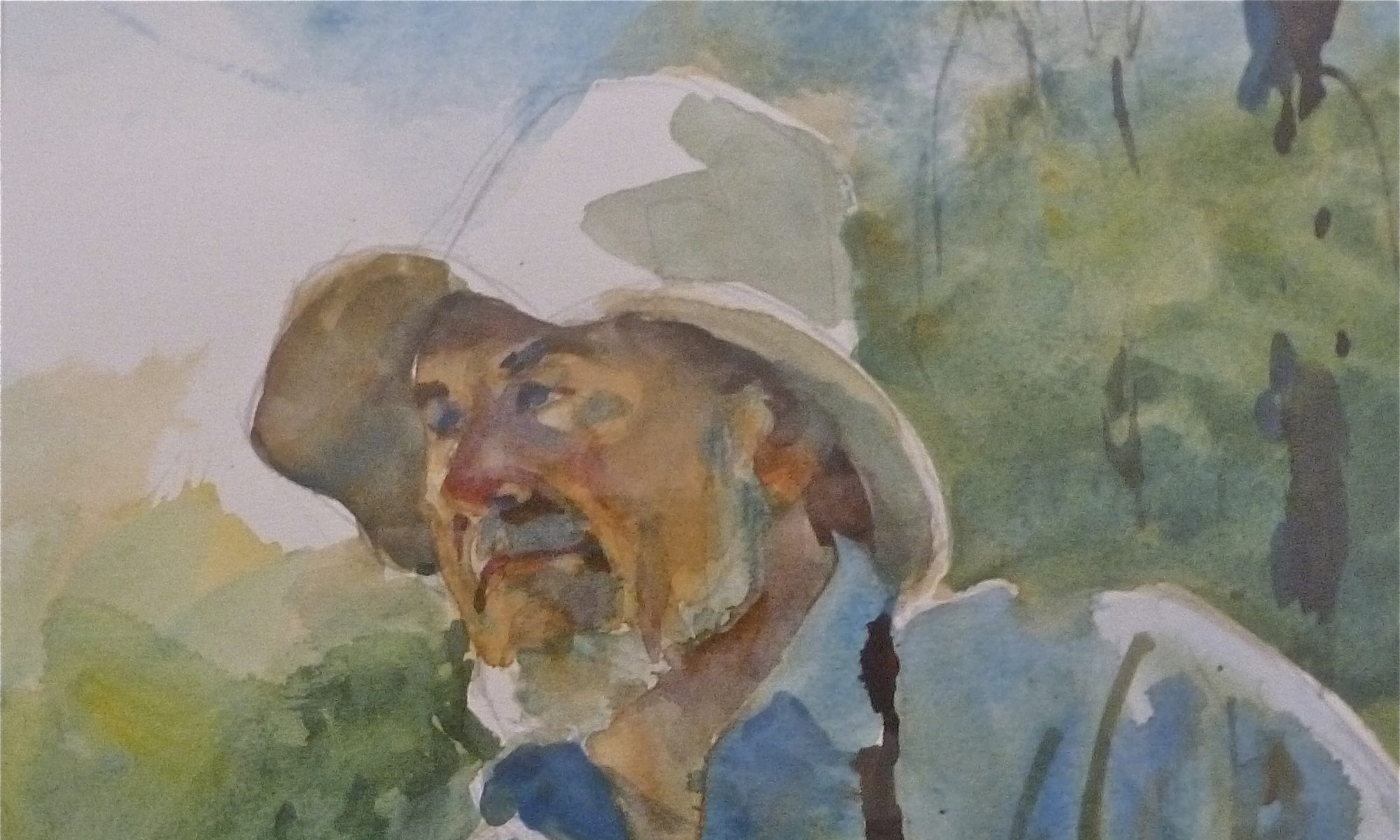
“My choice of the old river man falls on Nathaniel Magoun better known as Nat. If someone addressed him as Mr. Magoun, he would have looked about in surprised to see who was being spoken to. He lived in a small house, inherited from his parents. This was located squarely in the middle of the present 139 route at the Water St. intersection.” ( Note, this makes his experience was before Rte 139 was built from Pembroke’s Rte 3, to Marshfield)
A LEISURELY GENT
“Nat ( I still think of him by that name) was a leisurely moving, rather stout man. I have heard my mother say that when Nat went to the one room school with her, he spent most of his time asleep. If called on by the teacher, however, the proper answer was immediately given. I imagine his formal schooling ended early. For Nat’s way of life, anything beyond the three R’s was wasted.”
“He was pretty much self sufficient. He acquired the few dollars of cash he needed by trapping in the winter and on occasion he did odd jobs. If he had an unlucky winter he worked for a few weeks on the town highways.
Nat could make a split oak basket strong enough to stand on or he could shape an axe handle, if need be. When he needed a boat he built one. His dory may have been a bit rough by present standards, but it served him forty years.”
In those days you could leave your boat in the creek near home.
“On a nice day with a fair tide, Nat could be found down on the river, sometimes with Mr. Simeon Phipps, but more often alone. His trips on the river were leisurely voyages. He started from what is the now Pembroke Mariner on Route 139 and rowed just enough to keep off the bank. A couple of bucket of clams and a goodly catch of flounder were his reward. There was peace and quiet on thoes trips and pleanty of time to observe nature. There was never any hurry. This was Nat’s way of life. It was what he wanted and it sufficed him for many years”
BACK TO THE RIVER
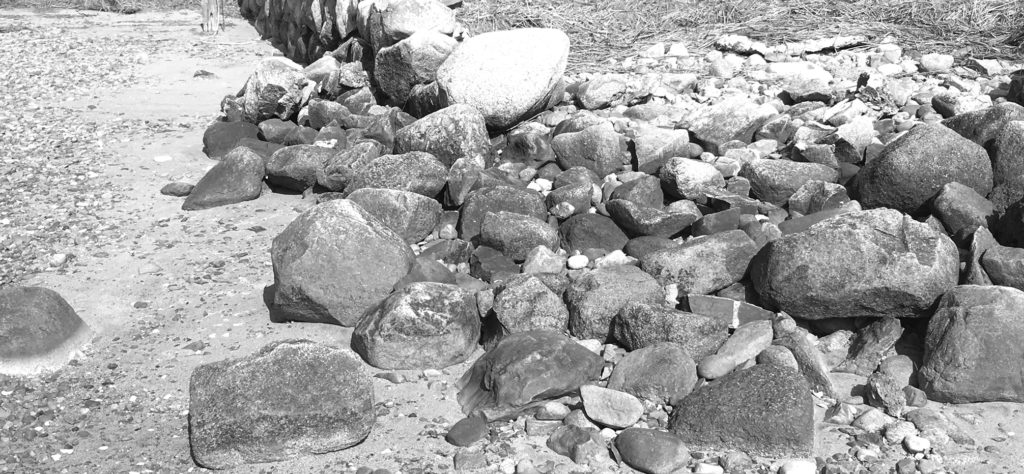
“Let us continue our journey down river. The next landmark was on the Pembroke side, a short distance from what is now the expressway bridge. It was the landing on the Ware property. This location had at least four names: Ephraim Landing,Jobs Landing, Anson Hatch Landing, and of course, Ware’s. I understand this was the terminal for the packet boats that furnished transportation of passengers and goods to and from Boston. The remains of the old wharf were still there I remember. Heavy logs were pinned together and filled with stones and I believe with gravel used to make an inlet that was four or five feet deep at high tide. I once found an old English two cent piece, dated, I believe, in the early 1700’s. ” ( this location is where Water St and West Streets meet at the Pembroke/ Marshfield line, now obscured by the expressway)
“Continuing down the river, we pass under the expressway bridge ( non-existent then) to Full Mill Creek on the Marshfield side, not a large stream, I assume it took it’s name from the mills located on it.”
Often referred to as the Two Mile Stream
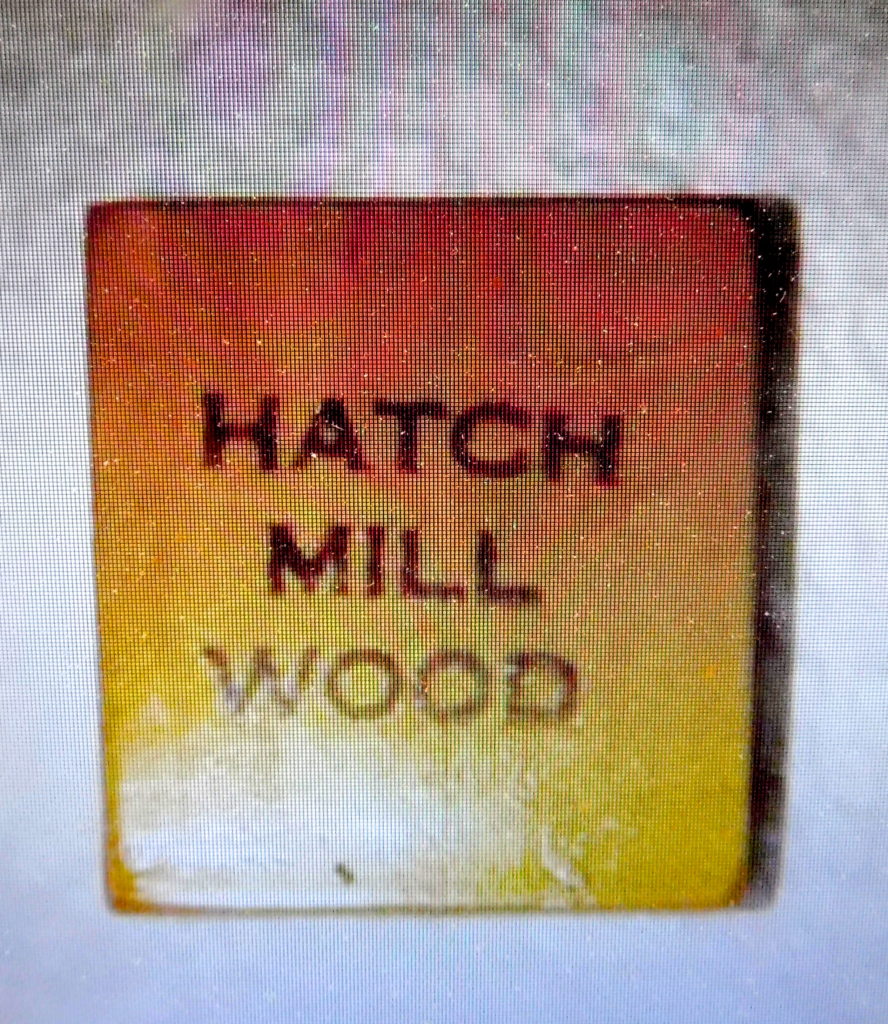
“I believe there were four mills not far apart from one another. The Hatch Mill was one and sawed logs for me many times.”
The Hatch Mill .
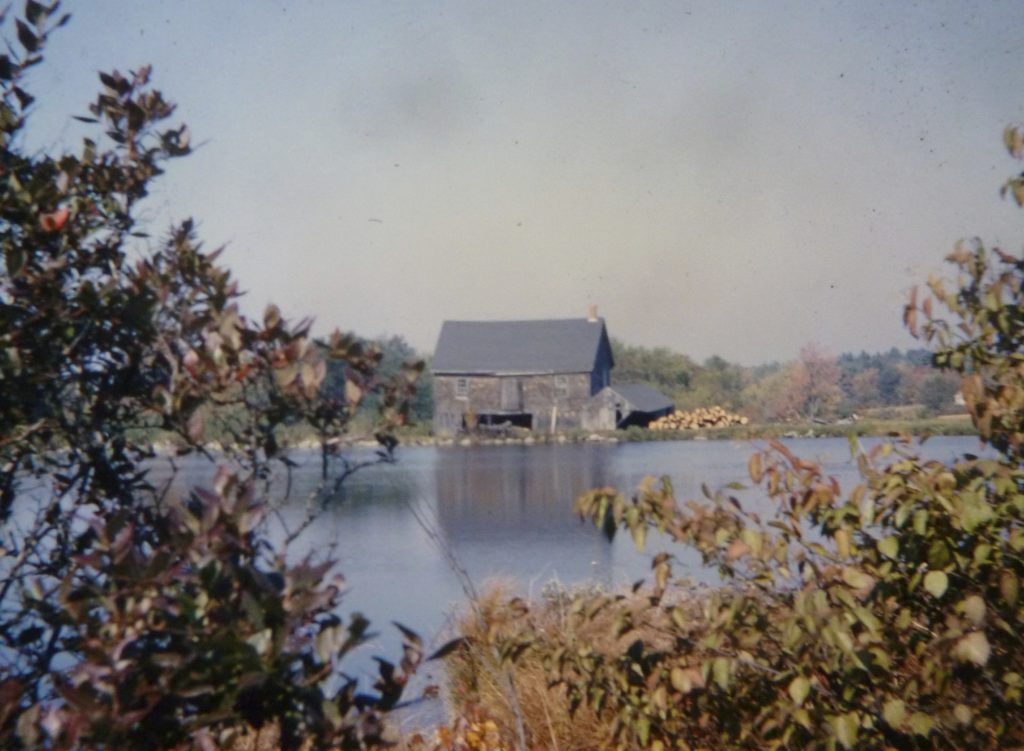
Walter has made his way to the part of the North river in the “Two Mile ” area of Marshfield , today known as North Marshfield.
I will continue with Walter’s “story telling” In Part 3.
W. Ray Freden Marshfield , Seaview, 70 years.